
Infusing the “Art of Loving” into Event Production
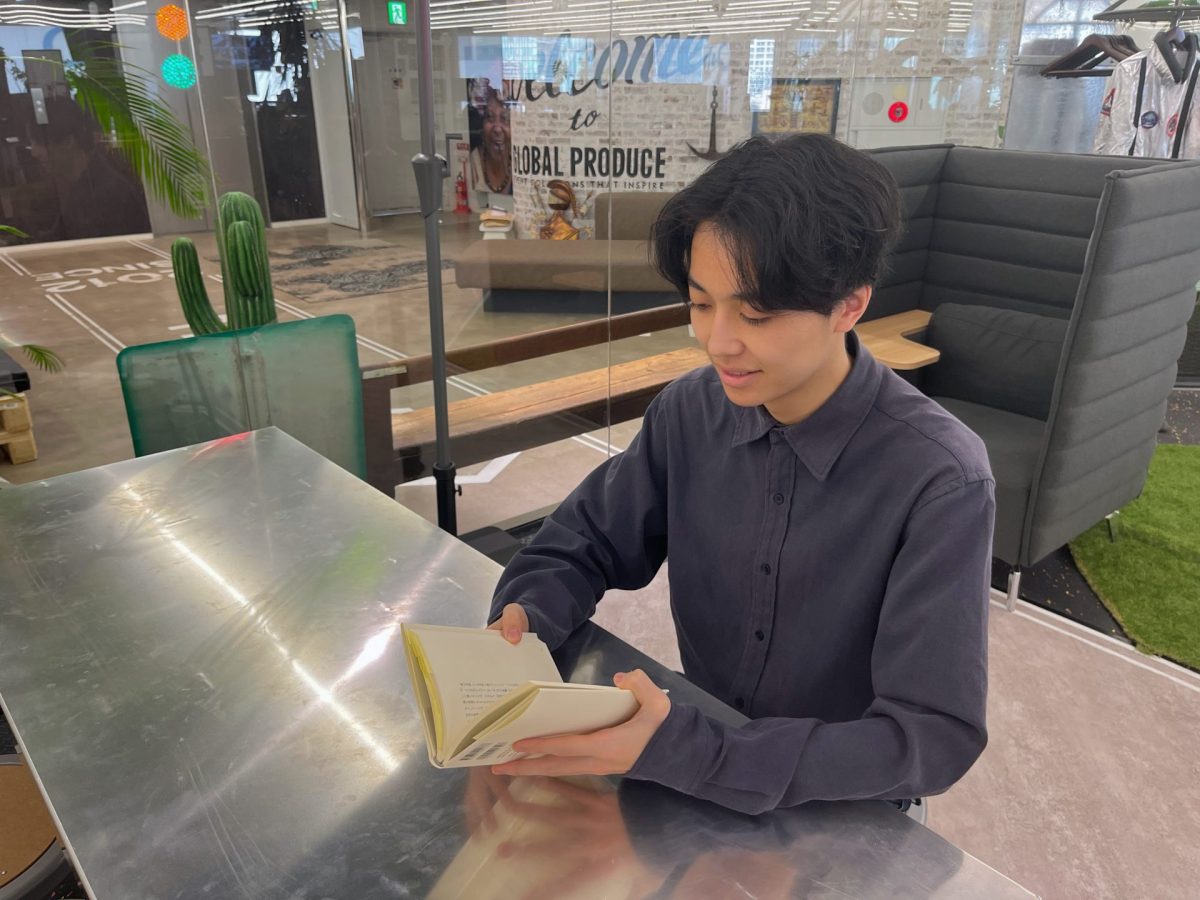
Reflections on Erich Fromm’s “The Art of Loving”
1. The Shock of “Love is an Art”
In the opening of this book, Erich Fromm asserts that love is not a “sensation” one simply wallows in, but an “art” (skill) that must be mastered. While many people believe love is something you “fall into” if you are lucky enough, Fromm argues that whether or not one can experience love is a matter of one’s own ability.
This perspective had a profound impact on my view of work as an event producer. Every day, we solve client challenges and create emotional experiences through B2B events. However, have I been leaving the “thoughtfulness toward clients” and “trust in my colleagues” that form the foundation of this work to mere chemistry or the mood of the moment? I realized that, just as I hone my technical skills in event production, the “art” of loving—meaning the ability to truly value others—is something that must be consciously practiced and refined.
2. From Passive “Being Loved” to Active “Loving”
Fromm points out that most people see the problem of love as the problem of “being loved”—in other words, how to become an attractive person (a “package”). This is similar to the pursuit of market value in business: decorating oneself as a “desirable product” and waiting to be chosen by someone.
However, the essence of true love lies in “giving.” In the field of event production, if I only care about being “selected” (loved) by the client, it remains nothing more than self-presentation. Instead, one must proactively step into the client’s vision and constantly ask what can be given. This is the first step of what Fromm calls the “art of loving.”
3. Rejecting Symbiotic Union, Connecting as Autonomous Individuals
I found the description of “symbiotic union” as an immature form of love particularly intriguing. This includes “masochism,” where one depends on others and surrenders decision-making, and “sadism,” where one tries to dominate others as an extension of oneself. Both are escapes from loneliness and are not connections between autonomous human beings.
This lesson carries significant weight in the teamwork required for event production. A masochistic attitude might involve blindly following a supervisor’s or client’s lead while suppressing one’s own opinion. A sadistic attitude might involve imposing one’s own “right answer” on team members and trying to control them. While these may look like “cooperation” on the surface, they are essentially just dependencies used to fill a void of loneliness. Truly creative work is born only when each person exists as an autonomous individual and integrates with the other “as they are.”
4. The Four Pillars of Love: Care, Responsibility, Respect, Knowledge
The elements that Fromm proposes as the active nature of love can be directly translated into our business stance.
Care
Actively concerning oneself with the life and growth of the person one loves.
In our work, this means not just wishing for a project’s success, but sincerely wishing for the growth of the client’s corporate culture and the individuals involved. This is what differentiates a mere “contract” from true “production.”
Responsibility
Responding (Response-ability) when another human being expresses a need, whether explicitly or implicitly.
This is not just a routine business reply. It is the determination to face unspoken needs and the difficulties the other person is encountering as one’s own. It means not cutting things off with “that’s not my job,” but taking the duty to respond to the challenges of colleagues and clients upon oneself.
Respect
The concern that another person should grow and unfold as they are.
It means not trying to move a client according to one’s own whims, but walking alongside them to maximize their inherent strengths. A humble attitude of not making the other person “something that serves my own freedom” creates genuine respect.
Knowledge
Understanding the other person as they are by standing in their shoes.
To know the true purpose (Need) behind a superficial request (Want), deep insight and genuine interest are indispensable. Only by making the effort to know them deeply can we truly integrate with the other person.
Conclusion: As an Assistant Producer at GLOBAL PRODUCE
Fromm states that giving is not “being deprived of something,” but the “highest expression of potency”—the moment we feel our own vitality. Just as a teacher is taught by their students and an actor is stimulated by their audience, when we pour our full love (Care, Responsibility, Respect, and Knowledge) into our clients and colleagues, we, in turn, are given much and healed by them.
Event production is more than just building a framework. it is an art form in itself—a practice of the “art of loving” through human connection, where we mutually enhance each other’s lives. From today, I will continue to hone this skill, both as a professional and as a human being.
記事ポイント
The Art of Lovingを読んで、クライアントや仲間を愛するとはどういうことかを考える。

SUPERVISED BY

A collective of event production professionals handling the planning, production, and management of over 250 events annually.
From internal gatherings like shareholders' meetings, anniversaries, and award ceremonies to external PR events and exhibitions, we design and deliver optimal communication solutions. Whether in-person, online, or hybrid, we give form to the messages companies wish to convey.