

The Power of Taste: Moving People in an Instant
Taste Is Not About Looking Good. It Is About Designing What Lands.
Hello, I’m Aketo Yanase.
In the event industry, I often hear people say, “We want to create an event with good taste.” But what does “taste” actually mean? Does it refer to glamorous decorations, polished visuals, or trend-conscious production?
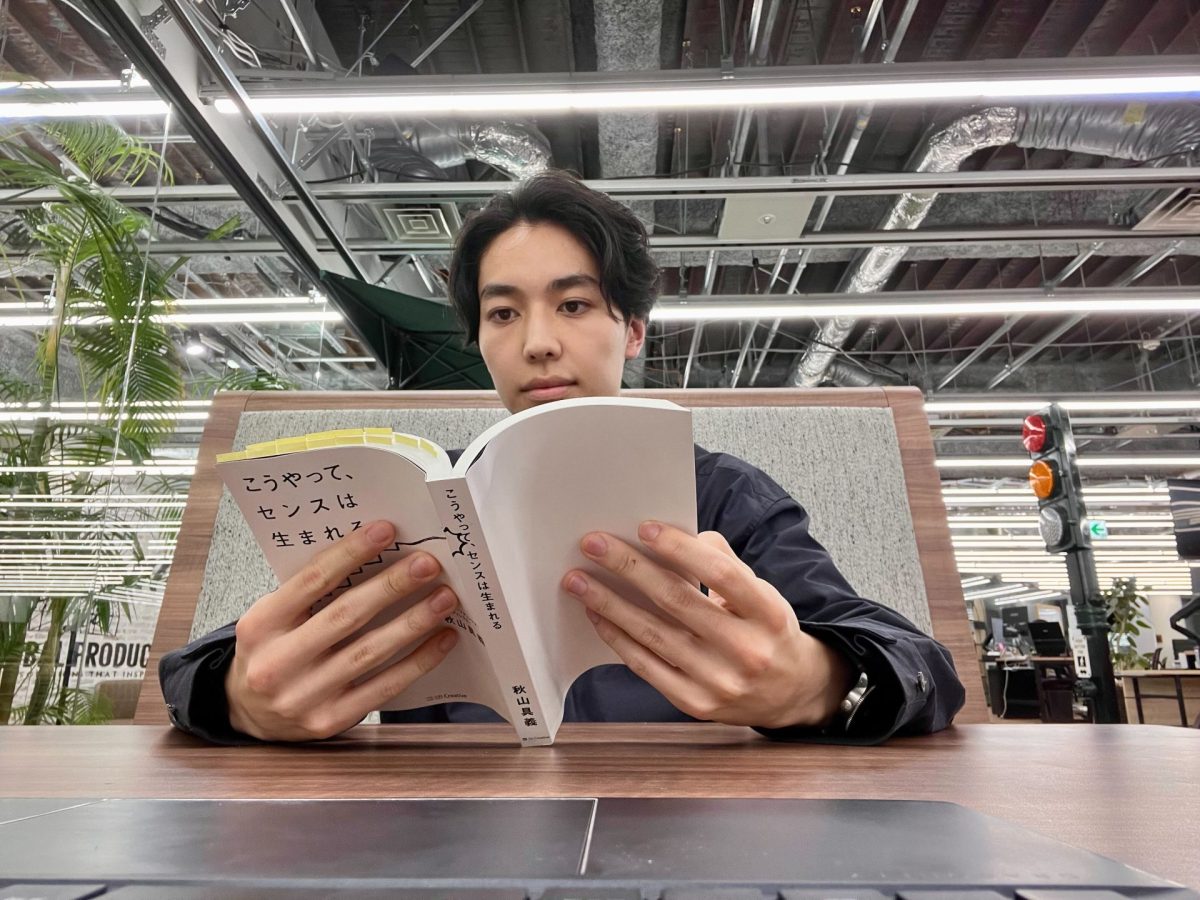
After reading How Taste Is Born by Akira Akiyama, I began to see taste not simply as aesthetic refinement, but as the ability to make people pause and feel something instantly. Truly tasteful work often communicates before any explanation is given. The moment people see it or hear it, they think, “This person gets it.” That immediate sense of understanding, I believe, is the essence of taste.
In Events, Taste Emerges When You Suggest What Comes Next
In the world of events, taste does not necessarily come from extravagance. More often, it comes from understanding the other person’s perspective and situation with precision, then showing them a possibility just half a step ahead.
For example, instead of simply saying, “This will reduce costs,” it is far more powerful to say, “This approach will change the emotional temperature of your organization.” Rather than saying, “Customer satisfaction will improve,” you might say, “This is a mechanism that turns complaints into appreciation.” The value of an idea becomes far more vivid when it creates an image in the listener’s mind.
The same is true for events. It is not just about making the stage look impressive. It is about creating a moment when attendees feel a shift in atmosphere the instant they enter the venue. It is not about lining up program elements, but about designing a flow that allows people to naturally connect with the experience. Taste is the ability to create a small trigger that moves people’s actions and emotions in a positive direction.
Taste Grows in Those Who Do Not Ignore Small Moments of Friction
So how is taste developed?
One idea from the book that stayed with me was this: do not let those small moments that make you stop and notice something pass by unnoticed. Instead, try to put into words why they affected you. When something feels slightly off, or unexpectedly compelling, pause and ask yourself why. That is the first step in developing taste.
This mindset is especially important in event production. Why does one space feel comfortable the moment you enter it? Why does one performance element energize a room, while another feels strangely flat? Why does the exact same content feel more compelling when presented differently? By refusing to overlook these reactions, and by turning them into language and insight, we steadily improve the precision of our proposals and productions.
Taste is not some special gift that appears overnight. It is something sharpened through repetition: observing, thinking, and articulating.
The Ability to Find Connections Expands Creative Possibilities
The book also describes taste as the ability to recognize connections. It is the sensitivity to link things that seem unrelated at first glance. The use of color in fashion, the plating of a dish, the curve of a building, the use of white space in graphic design. New ideas emerge when we recognize patterns that run across different fields.
This is incredibly important in events as well. We can learn about reception flow from the hospitality of a luxury hotel. We can take cues for conference transitions from the quiet rhythm of a museum. The delicacy of traditional craftsmanship can inform stage design, while the circulation patterns of retail spaces can inspire exhibition planning.
People with taste do not see things in isolated categories. They understand that the world is connected, and they know how to pull ideas from one field into another. That perspective is often what allows an event to feel original rather than formulaic.
Those Who Can Shift Between the Big Picture and the Small Details Are Strongest
Another idea that struck me was the notion that people with taste move constantly between a bird’s-eye view and an insect’s-eye view. They can step back and understand the larger structure, then move in close and breathe life into the details. That movement between macro and micro is what defines taste.
In events, we need the ability to see the overall purpose, story, and participant experience. But at the same time, the smallest details shape the final impression: the first words spoken at reception, the size of the text on stage, the precise moment when lighting changes, or what the room looks like from a guest’s seat.
A strong concept alone does not move people, and polished details alone do not make an experience memorable. Taste lives in the ability to move back and forth between the whole and the parts, always asking: what will make this land instantly?
The Starting Point of Taste Is Seeing Through Someone Else’s Eyes
What the book makes especially clear is that taste begins with the ability to see the world through someone else’s eyes.
For example, when a client says, “We want the event to feel premium,” it is not enough to accept the word at face value. What does “premium” mean to them? Does it mean weight and prestige? A sense of reassurance? A refined, minimal aesthetic? A feeling of heritage? Are they imagining the timeless elegance of a long-established Ginza brand, or the quiet sophistication of an Apple product? The ability to ask these questions carefully is essential.
This is why persistent questioning matters in event planning. Why does this event need to happen? Why now? Why this approach? By digging beneath surface-level requests, we can uncover the real intention behind them. Only then can we make proposals that are truly meaningful to the client.
Taste is not about working on instinct alone. If anything, it comes from a deep and almost stubborn commitment to understanding the other person.
Taste Exists to Move People
Events are not simply vehicles for delivering information. They are spaces that move emotions, leave memories, and change behavior. That is why taste in events should not be judged by visual beauty alone. It should be measured by how deeply it reaches people.
Making someone stop and feel something. Standing in their position. Paying attention to moments of friction and turning them into insight. Recognizing patterns across different disciplines. Moving fluidly between the whole and the details. These are the accumulations that transform an event from a mere execution into a meaningful experience.
Perhaps taste is not an inborn talent at all, but the result of sincerely trying to understand others. And when that taste is truly refined, an event does not end with people saying, “It looked beautiful.” It leaves them with something more lasting: the feeling that something genuinely reached them.
SUPERVISED BY

A collective of event production professionals handling the planning, production, and management of over 200 events annually.
From internal gatherings like shareholders' meetings, anniversaries, and award ceremonies to external PR events and exhibitions, we design and deliver optimal communication solutions. Whether in-person, online, or hybrid, we give form to the messages companies wish to convey.