

Book, Reading and Japanese Society
In this age of AI and digitalization, do you still read books?
Today, we can solve almost every curiosity and learn new skills through a very small smartphone in our hands—Information is fast, easy, and always available. However, in Japan, the passion for books shows no sign of decline. So why is reading so deeply rooted in Japanese society, even in a digital-first world?
This article explores the background of reading culture in Japan and introduce how reading can still be beneficial for event producing—especially in terms of creativity, perspective, and communication.
Rise of Reading culture in Japan
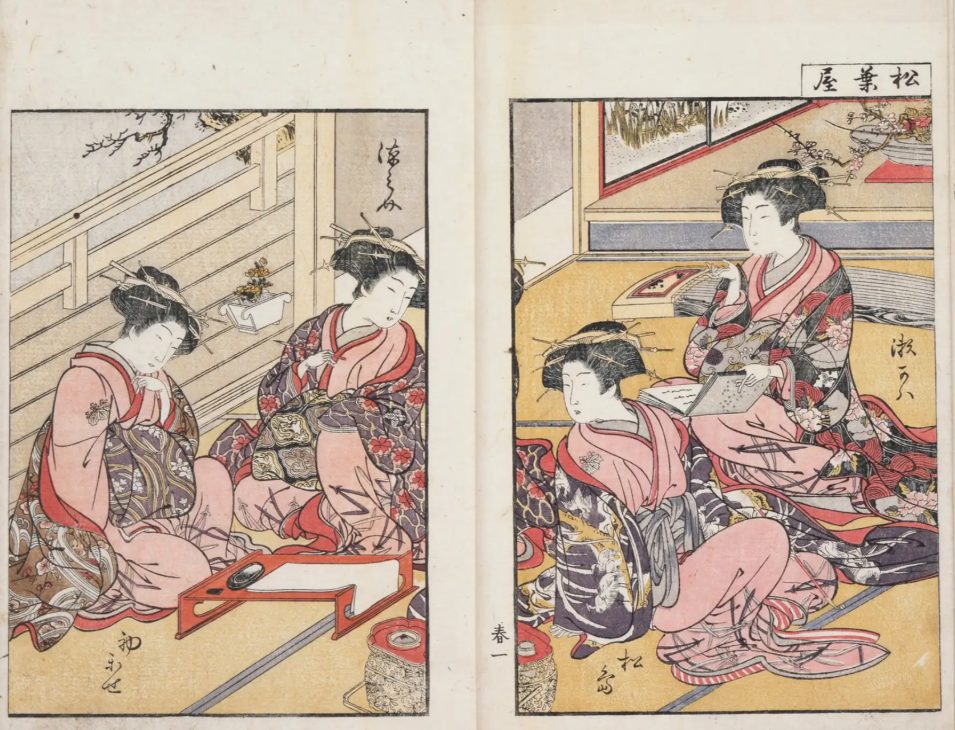
Japanese reading culture can be traced back to Edo-period. The literacy spread beyond the elite(samurai) and became common among ordinary people. Education was supported through local temple schools known as terakoya, where children of merchants and farmers learned basic reading and writing. As a result, Japan achieved relatively high literacy rates compared to other countries at the time.
In addition, printed materials such as woodblock-printed books became widely available and affordable. Not only educational texts, but also entertainment—stories, travel guides, and early forms of popular literature. Reading was not limited to formal learning; it became part of everyday life and leisure.
Reading culture in Modern Japan
This historical foundation create reading as a familiar and valued activity, and that mindset has continued into modern Japanese society. Books are highly accessible, with bookstores located in most urban areas, as well as in train stations and even convenience stores. Public libraries are also well-developed, offering easy access to reading.

Another key factor is Japan’s public transportation culture. Many people spend long hours commuting by train, and reading has naturally become a common way to use that time. If you take a moment to observe, you can easily notice many people reading on the train—some even while standing. This everyday scene shows how naturally reading fits into Japan.
What does reading mean to you?; interviews with GP members
Yamatsuta:
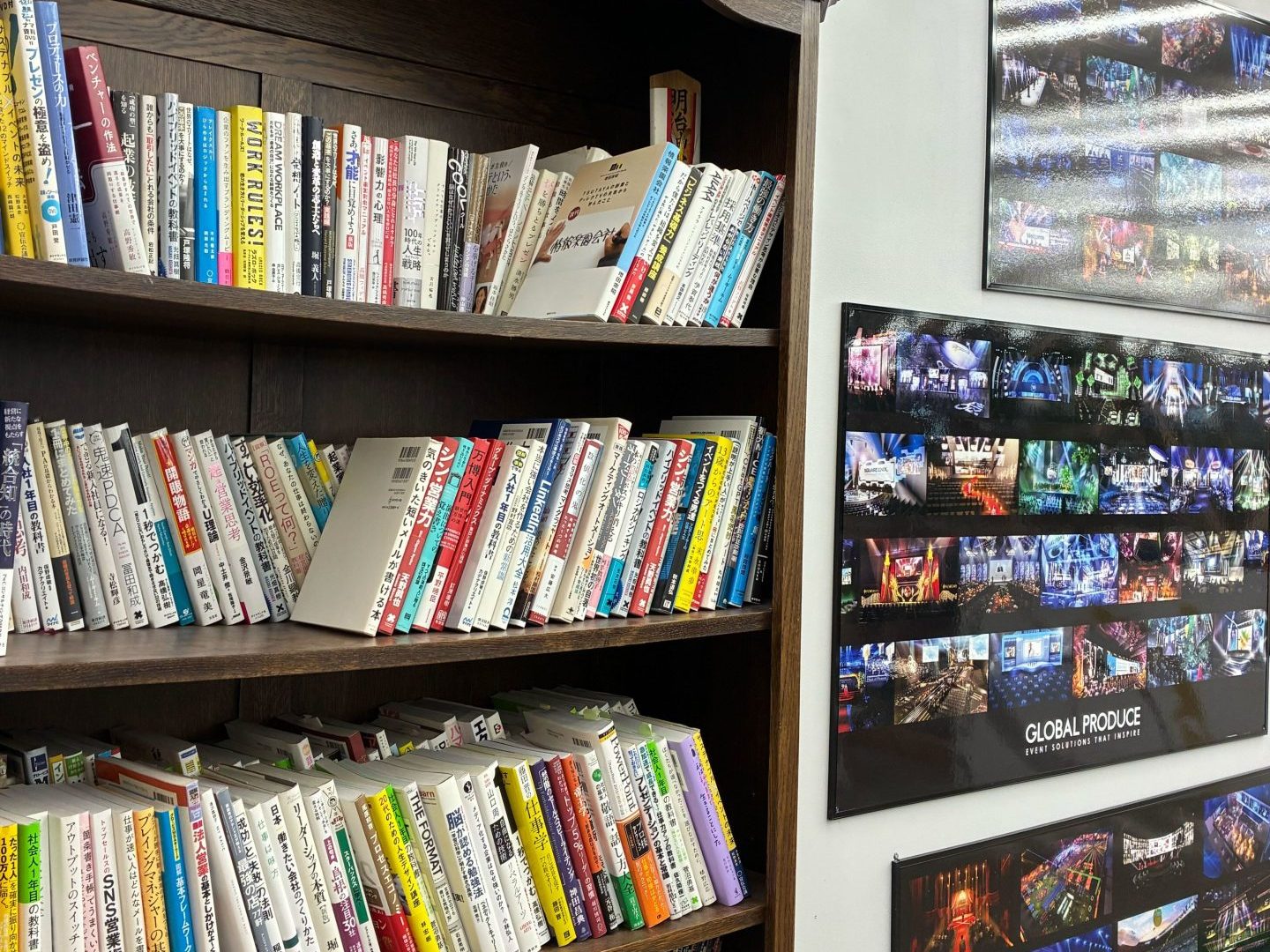
I read books during my commute to work. This has been my habit since I was a university student. Looking back, my parents often took me to the library when I was very young, and that experience helped me become naturally close to books. For me, reading is like a “Anywhere Door,” leading me to new worlds and people with different ways of thinking. That is one of the reasons I find books so attractive. Another reason I enjoy books is that, unlike movies, books allow me to read slowly and freely at my own rhythm. Books allow me to meet a new perspectives and emotions that I may not experience in my daily life. In this way, books help me communicate more effectively at work, as they deepen my understanding of others.
Sugiyama:
I read books as a way to refresh my mind from work. I am especially drawn to essays because they allow me to glimpse the writer’s life and pick up hints for way of thinking. However, the act of reading itself is valuable to me. It gives me a calm and peaceful moment, perhaps like a refuge from the noise of everyday life. Rather than trying to finish a book all at once, I value creating an environment where I can naturally pick up a book in daily life and read little by little.
Summary:
Today we explored the history of reading in Japan and the reading culture in modern society. As digitalization rapidly progresses, the world is becoming more compact, convenient, and efficient—Thanks to that, we are truly grateful that this article has brought you to us, GLOBAL PRODUCE.
However, through interviews with GP members, we were reminded that reading offers a unique value that only books can provide. So, why not take a small step this week—visit a bookstore, pick up a book, and slowly turn its pages one by one? It may lead you to a new world.

SUPERVISED BY

A collective of event production professionals handling the planning, production, and management of over 200 events annually.
From internal gatherings like shareholders' meetings, anniversaries, and award ceremonies to external PR events and exhibitions, we design and deliver optimal communication solutions. Whether in-person, online, or hybrid, we give form to the messages companies wish to convey.