

The Long Game: Events Are Not Just About “the Day,” but About Creating the Future
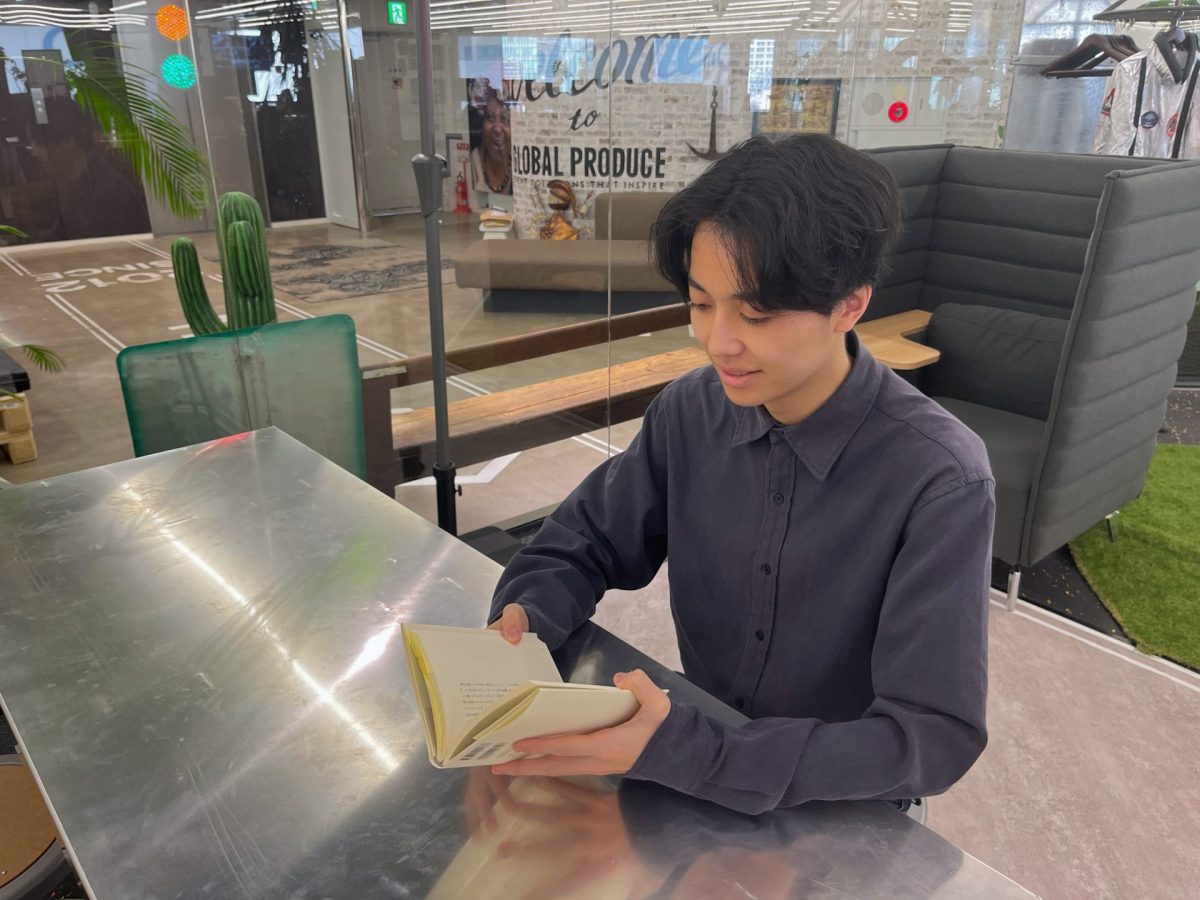
Hello, this is Aketo.
When working on events, we know that we need to step back, see the bigger picture, and act with a broad perspective. Even so, it is easy to become absorbed in the tasks right in front of us. Has the venue been secured? Will the program run smoothly? Will the visuals appear correctly? Will the speakers arrive on time? Of course, all of these details matter. In fact, if even one of them is overlooked, it can lead to trouble on-site.
However, in The Long Game, author Dorie Clark reminds us that if we only keep reacting to what is immediately in front of us, we will never reach truly meaningful goals. If we constantly act in an ad hoc way, busyness simply accumulates, while the results we hoped for may never fully materialize. I believe this idea applies directly to events as well.
The Success of an Event Cannot Be Measured Only on the Day It Happens
If we look only at the date of an event, it may seem like a one-day occasion. In reality, however, an event is a strategic touchpoint that serves a longer-term purpose. In the case of an employee general meeting, the question is how employees’ actions will change from the next day onward. In the case of an awards ceremony, the question is how the values being celebrated will take root within the organization. In the case of a conference, the question is what kind of brand image will remain in the participants’ memories, and how that memory will lead to future business opportunities or stronger relationships.
In other words, the true value of an event is not simply whether it was exciting in the moment. It lies in how much influence the event has on the future. Judging success only by the size of the applause or the number of attendees is a little too short-term. Numbers are important, of course, but they cannot fully measure the deeper impact of an event. An event is a mechanism for gradually moving people’s awareness and behavior toward the future a company is aiming for.
Choosing What to Focus On, Rather Than Simply Being Busy
In The Long Game, Clark presents the idea that busyness is not a social status, but simply a form of toil. This is a painful truth. There are times when working late into the night, running from one site to another without rest, or handling multiple projects at once can almost feel like proof of being a professional. Humanity has somehow managed to turn exhaustion into a badge of honor. A questionable achievement, to say the least.
But what truly matters is not being busy. It is choosing carefully where to direct our time and attention. When long working hours become the norm, small inefficiencies and unnecessary tasks are easily overlooked. Unneeded confirmations, meetings with unclear objectives, documents that no one reads, and processes that continue only because “this is how we have always done it” can quietly drain creativity and judgment.
That is why event production also requires us to ask: Is this truly necessary? Can it be done another way? If I look back one year from now, will I regret this decision? Instead of merely consuming limited time, we need to invest it in work that will matter in the future. This mindset can significantly change the quality of planning.
Long-Term Strategy Becomes Stronger When It Allows for Change
When we think about having a long-term perspective, we may imagine sticking to the original plan until the very end. However, as the book suggests, a long-term strategy should also include the possibility that our path may change along the way. In fact, strategy becomes stronger precisely because it allows for change.
This way of thinking is closely connected to event planning. The objective a client first expresses is not always the essential objective. Behind phrases such as “We want to motivate our employees,” “We want to strengthen our brand impression,” or “We want participants to enjoy themselves,” there may be deeper organizational issues, business strategies, or shifts in human relationships.
Therefore, what matters most in the early stage of planning is not rushing to propose creative ideas. The first step is to define what meaningful success truly means for the client. What needs to change for them to say that the event was worth holding? Whose behavior should change, and in what way? By exploring these questions deeply, an event can move beyond being a glamorous occasion and become a strategic communication opportunity.
Big Goals Support Small Daily Efforts
The book also discusses the power of having extremely ambitious goals. Rather than setting goals based only on what seems achievable, we should aim for what genuinely interests us and feels meaningful. A big goal can become the energy that supports small efforts day after day.
The same is true for events. If the only goal is to “finish without problems,” the plan will tend to stay within a safe and predictable range. However, if we set bigger goals such as “helping employees see the company’s future as their own,” “showing overseas participants the value of holding business events in Japan,” or “creating an experience that communicates the essence of a brand in an instant,” then every choice changes: the direction, flow, words, visuals, and spatial design.
Of course, big goals are not achieved immediately. Results are never guaranteed. Still, are we willing to keep making the effort? This is one of the questions The Long Game asks us, and it resonates deeply with event production. Although an event may seem to end in a single moment, in reality it can remain in people’s memories and influence their actions over a much longer period of time.
Creating Events That Remain in the Future
In event production, it is essential to look at both short-term success and long-term value. The quality of execution on the event day is, naturally, important. However, if we are satisfied with that alone, the event becomes nothing more than a one-time experience that is simply consumed.
What events require going forward is a perspective on how they connect to a company’s future. After participants leave the venue, what will they remember? What words will they take with them? What actions will they begin? An event designed backward from these questions becomes not a one-day occasion, but a starting point for long-term change.
The long-term thinking presented in The Long Game offers an important guideline for event work. It means not being swallowed by the busyness in front of us, but continuing to make choices that will matter in the future. It means designing experiences that are meaningful, not merely flashy. And it means seeing each event not as a single production, but as a strategic move connected to the future of a company and its people.
Events are about creating moments. But truly excellent events remain beyond those moments. That is why we need to create spaces not only for the day in front of us, but for the long future that lies ahead.

SUPERVISED BY

A collective of event production professionals handling the planning, production, and management of over 200 events annually.
From internal gatherings like shareholders' meetings, anniversaries, and award ceremonies to external PR events and exhibitions, we design and deliver optimal communication solutions. Whether in-person, online, or hybrid, we give form to the messages companies wish to convey.