
Making Everyone at GP Better at Planning: EDISON PLANNING Training Report
“How do you actually come up with a concept?”
If you have ever been involved in planning, chances are you have found yourself asking this question at some point.
You may be able to come up with ideas, but how do you know whether they truly align with the objective? The difference between a concept and a theme can feel unclear. And in the first place, is there even a “right answer” when it comes to planning?
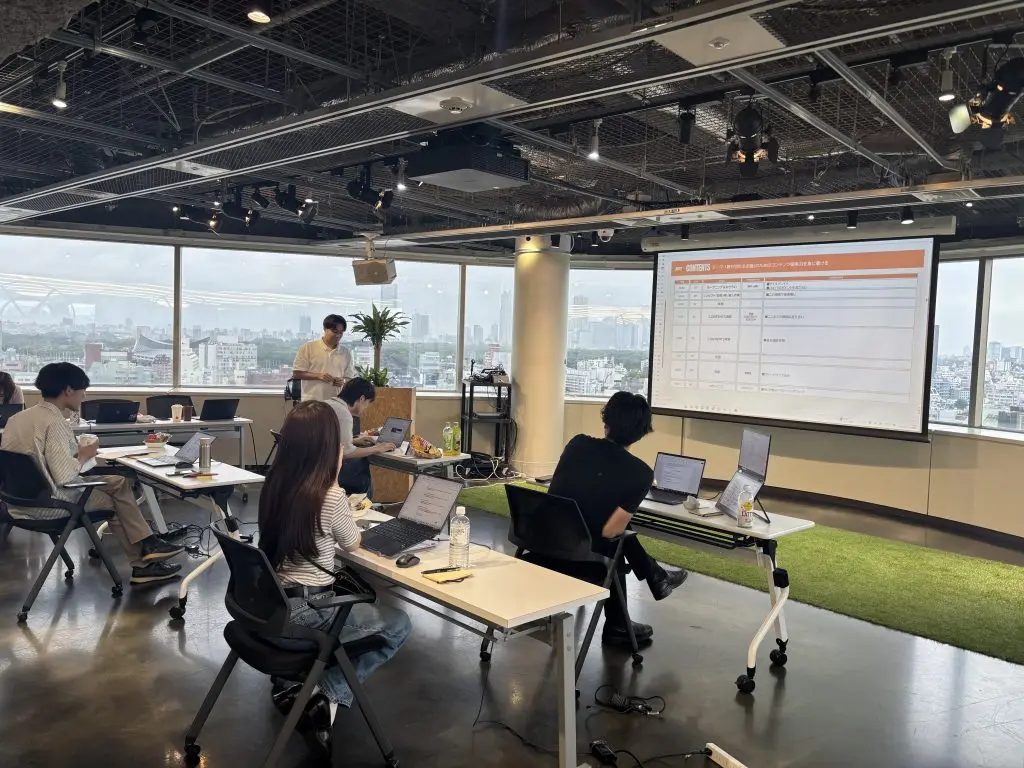
Hi! This is Suzuki from the GP EDISON team.
This time, I’d like to share a report on our three-day “EDISON PLANNING Training” program, designed to help GP members overcome their uncertainty around planning and develop a clear process for turning ideas into well-structured proposals.
What Is “GP EDISON”?
GP EDISON operates under one clear VISION:
“To make GP an organization with the ability to consistently create winning proposals.”
To achieve this, our MISSION is to strengthen planning capabilities across the entire organization.
Rather than relying solely on the experience or instincts of a select few who happen to be good at planning, our goal is to create an organization where everyone at GP can develop ideas, evaluate them, and make them better.
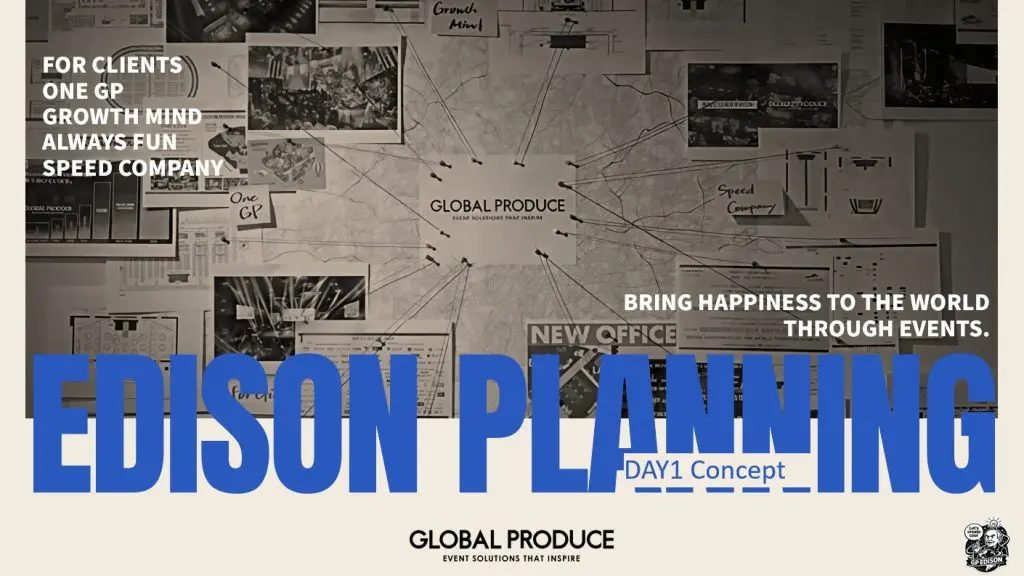
EDISON provides four key areas of value:
① The ability to create proposals that are on target from the very beginning
② A repeatable approach to planning
③ A strong knowledge base of the latest trends
④ Greater speed and accuracy
During EDISON’s first year, we accumulated a wide range of internal “EDISON resources,” including frameworks, case studies, and tools for developing ideas and proposals.
Now, in our second year, we have moved into the next phase: putting those tools into practice and embedding GP’s ability to create winning proposals across the entire organization.
One initiative toward that goal was this “EDISON PLANNING Training” program.
“I Didn’t Know If There Was a Right Answer to a Concept”
When we asked one participant how they had previously felt about planning, they told us:
“I wasn’t very confident in coming up with plans or concepts because I didn’t know what the right answer was.”
They also said that, until now, they had never been completely clear about the difference between a “concept” and a “theme.”
Perhaps many people feel that planning requires a certain kind of natural creativity or instinct—that you simply have to search for an answer that somehow “feels right.”
Throughout this three-day training program, however, participants learned to build a proposal step by step through three stages: CONCEPT, CONTENTS, and PLANNING / DESIGN.
DAY 1 | CONCEPT
How Well Can You Understand the Client Before You Start Creating the Proposal?
The theme of DAY 1 was “CONCEPT.”
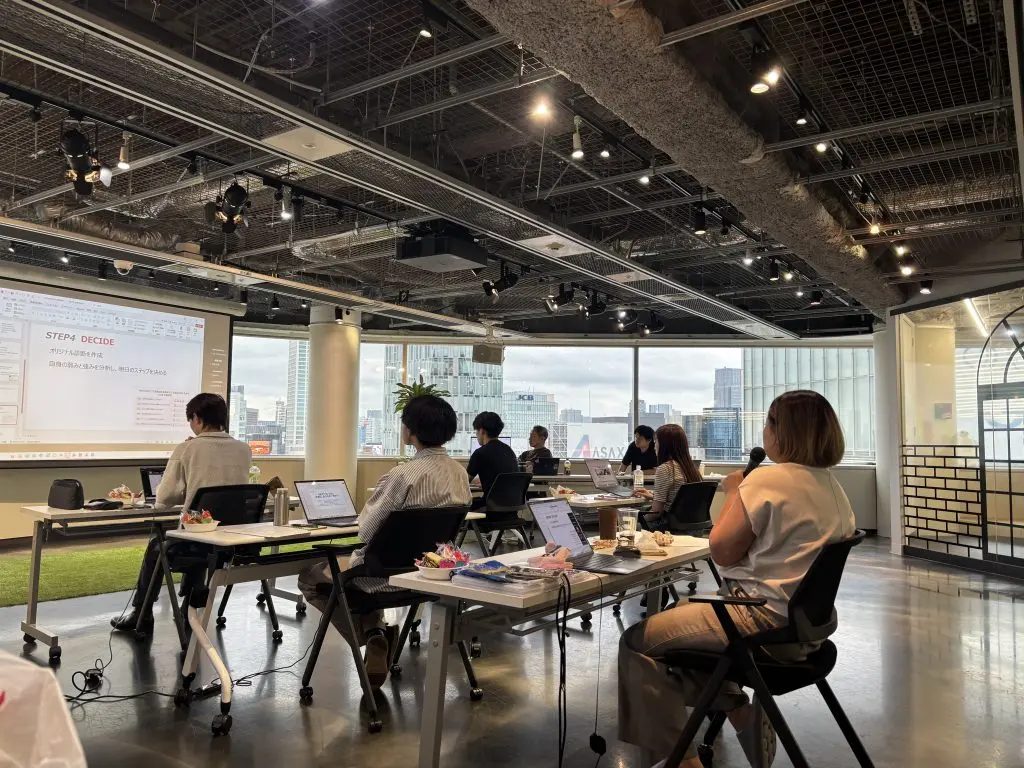
Working with an assignment based on a real past project, participants began with role-playing exercises focused on the initial client orientation and interview process.
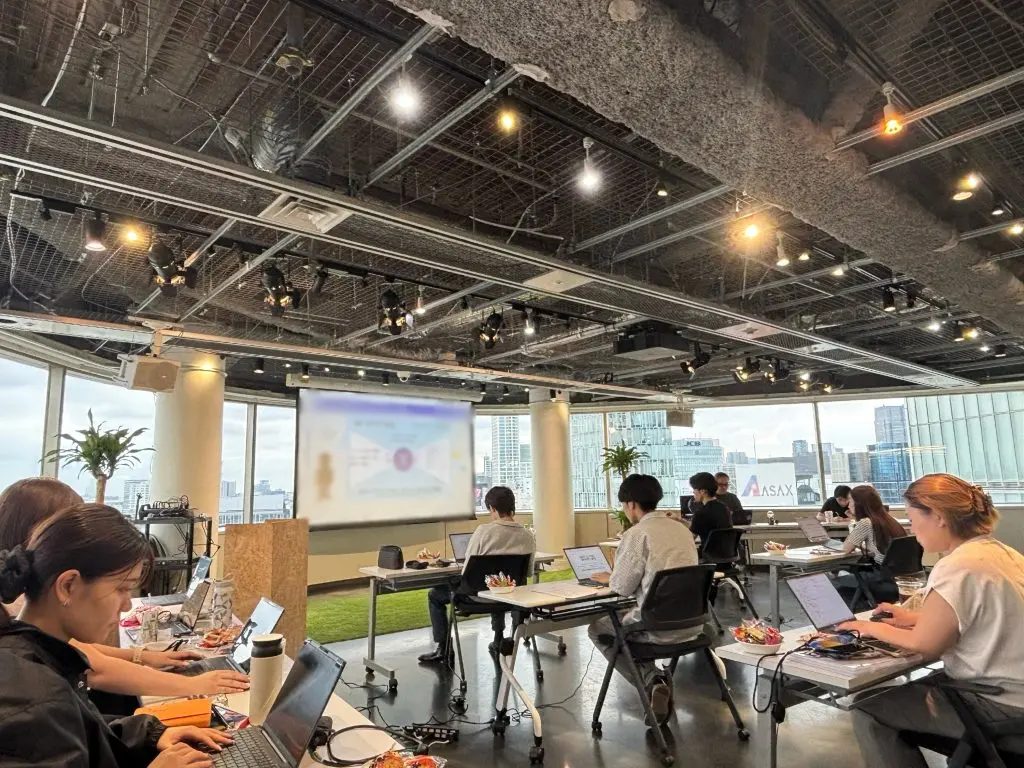
One of the key ideas introduced during the session was:
“The proposal presentation should be a confirmation of the answer.”
The goal is not to win the client over only at the moment you present the proposal.
Instead, the process begins during the initial conversations—getting on the same page with the client and thinking together about the challenges they face and the future they want to create.
Then, when the client finally sees the proposal, the ideal reaction is:
“Yes. That’s exactly what we wanted to do.”
In other words, planning does not begin when you open PowerPoint.
“Why are we holding this event?”
“Whose perceptions or behaviors do we want to change, and how?”
The process begins by searching for those answers through conversations with the client and then putting them into words as a concept.
One participant commented:
“Using Concept EDISON helped me understand the process of developing a concept.”
Something that had previously felt like a question with no clear answer was gradually becoming a process they could follow.
DAY 2 | CONTENTS
Moving from “That Sounds Fun” to Being Able to Explain “Why We’re Doing It”
The theme of DAY 2 was “CONTENTS.”
When planning an event, ideas often begin with thoughts such as:
“That sounds exciting.”
“That feels new.”
“I’ve never seen anything like that before.”
Of course, creating something interesting is important.
But if the content is not connected to the concept or theme, the overall proposal can quickly lose its persuasive power.
When the concept and content are clearly connected, you can explain why that particular content belongs in the event.
And that creates a stronger sense of confidence that “this plan can actually achieve the objective,” while making it easier to visualize the results the event is intended to create.
On DAY 2, following a lecture on CONTENTS, each participant developed their own content ideas.
Through presentations and feedback, they explored how to create stronger connections between the concept and the actual content of an event.
DAY 3 | PLANNING / DESIGN
Bringing a “Winning Proposal” Together as One Complete Experience
DAY 3 brought together everything participants had learned during the first two days.
The theme was “PLANNING / DESIGN.”
Concept.
Content.
Tone and manner.
Design.
Rather than treating these as separate elements, aligning all of them toward the same objective creates consistency throughout the entire proposal.
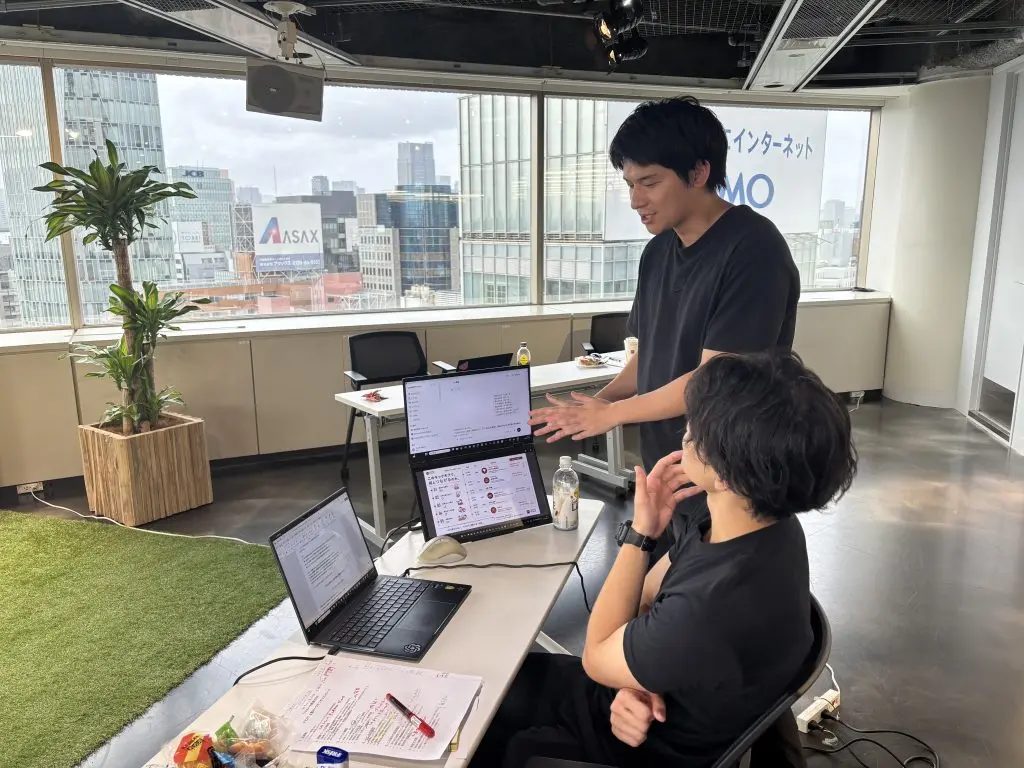
Using the resources and tools accumulated through EDISON, participants created a complete proposal from beginning to end. They then presented their work and received feedback.
The goal was not simply to finish a presentation deck.
It was to connect everything they had developed on DAY 1 and DAY 2 into one coherent story—and ultimately create a proposal capable of winning.
Over the course of three days, each participant worked through the entire planning process from beginning to end before presenting their final proposal.
A Creative Leap Isn’t Always the Answer
After the training, we asked participants about their biggest takeaway from the three days.
One response particularly stood out:
“I realized that making a creative leap when developing a theme can be a double-edged sword.”
In planning, unexpected themes or connections between seemingly unrelated ideas can sometimes lead to something completely new.
But a bigger creative leap does not necessarily make an idea better.
This is especially true for internal events. If participants cannot understand the meaning behind the theme, the theme itself can end up feeling disconnected from the rest of the experience.
Through the training, one participant realized:
“For internal events, a straightforward theme can sometimes communicate the message more effectively and be easier to translate into the overall plan. If the theme isn’t connected to the objective, the whole proposal can start to feel vague.”
Being creative should never become the objective in itself.
The starting point must always be the purpose of the event.
Who are we trying to reach?
What do we want to communicate?
And how do we want people to change as a result?
Only by working backward from those questions can we properly evaluate whether a concept, theme, or piece of content is truly right for the event.
Being “Good at Planning” Is Something You Can Develop
So, how will participants apply what they learned to their actual work?
One participant told us:
“From now on, I want to design concepts and themes based on the thinking process I learned through Concept EDISON.”
Before the training, developing a concept had felt like something with no clear “right answer.”
After three days, rather than waiting for someone else to give them that answer, participants had begun to discover a process for getting closer to the answer themselves.
Planning ability is not determined by natural talent alone.
Understand the client.
Identify the objective.
Put the concept into words.
Turn it into tangible content.
Then repeat the cycle of practice and feedback.
If that process can be repeated, planning expertise no longer belongs only to a select few.
It can become an organizational strength.
Our goal is to make GP an organization where everyone is good at planning.
Now in the second year of the EDISON project, our efforts to embed the ability to create winning proposals throughout GP will continue.
SUPERVISED BY

A collective of event production professionals handling the planning, production, and management of over 200 events annually.
From internal gatherings like shareholders' meetings, anniversaries, and award ceremonies to external PR events and exhibitions, we design and deliver optimal communication solutions. Whether in-person, online, or hybrid, we give form to the messages companies wish to convey.