

Business Events in Japan: The Complete Guide to Hosting
Japan is one of Asia’s premier destinations for business events, combining safety, punctuality, sophisticated urban infrastructure, and meticulous hospitality. While business events are held around the world, Japan stands out as a destination that offers both reliable execution and memorable experiences. In this article, we explain the key points for successfully hosting events in Japan—ranging from large-scale conferences and new product launches to VIP programs—from the perspective of a Japanese event production company.

Why Japan is the Ideal Destination for Business Events
Japan stands as a premier global hub for business events, offering a rare combination of logistical perfection and profound cultural depth. It is a destination where flawless execution meets unforgettable experiences. By choosing Japan, organizers gain access to a business environment defined by world-class safety, extreme punctuality, and the unique spirit of Omotenashi—ensuring that every event not only runs smoothly but also leaves a lasting impact on every participant.
Advanced Technology & World-Class Infrastructure
There are several advantages to hosting events in Japan. Among them, Japan’s infrastructure is one of the most important. Major Japanese cities are equipped with high-speed and stable communication networks. This allows event organizers to accommodate digital needs such as hybrid streaming, real-time production control, and attendee apps. Additionally, the punctuality of Japan’s public transportation is world-renowned. Major metropolitan areas are connected by the Shinkansen (bullet train), allowing for smooth domestic travel and more precise scheduling. In event management, staying on schedule is a major advantage in itself, and Japan’s transportation network provides the conditions to achieve this.
Venue options are also extensive. Japan offers a variety of venues, including international convention centers, exhibition halls, hotel banquet rooms, and unique venues. Many venues are equipped with audio, lighting, and visual equipment, providing an environment that easily supports complex requirements such as live streaming, simultaneous interpretation, projection mapping, and immersive staging.
The Power of “Omotenashi” (Japanese Hospitality)
What makes the event experience in Japan truly special is the concept of hospitality known as “Omotenashi.” Meticulous attention is paid to the details that determine event satisfaction, such as clear reception routing, ease of movement during breaks, consideration for meals and allergies, and attentive VIP support. This sense of security leads to improved attendee concentration, higher quality of business discussions, and enhanced trust in the brand. If an event is a place that embodies a corporate stance, Japanese hospitality is highly effective.
Types of Business Events You Can Host in Japan
Japan’s unparalleled versatility makes it the perfect stage for a diverse spectrum of business events. Whether your objective is to facilitate high-level strategic discussions, showcase industry innovations, or reward top performers with exclusive cultural experiences, the country provides tailored environments to meet any corporate goal with precision.
Corporate Conferences & Seminars
Japan offers an environment capable of accommodating a wide range of formats, from international conferences with thousands of attendees to closed strategic meetings for executives. Events involve multiple parallel operations, and Japanese on-site teams excel at this kind of complex routing and time management, making them highly compatible with projects that require precise execution.
Japanese operations are characterized by a high “precision of arrangements,” meaning that programs rarely deviate significantly from the schedule. A major appeal is the ability to easily achieve stable operational quality even in panel discussions with multiple speakers, presentations involving product demos, and full-day events including sponsor sessions.
Exhibitions & Trade Shows
Japan is also a highly attractive destination for B2B exhibitions and trade shows. At large exhibition venues like Tokyo Big Sight and Makuhari Messe, events across various industries—including technology, manufacturing, healthcare, food, and lifestyle—can be successfully held. With excellent accessibility and high accommodation capacity, you can expect attendees from both domestic and international markets.
Furthermore, Japanese booth construction and spatial design are renowned for their high-precision finishes and attention to detail. In particular, the design capability to create dense yet beautiful displays within a limited booth space is one of the strengths of the Japanese production scene.
Incentive Travel & VIP Experiences
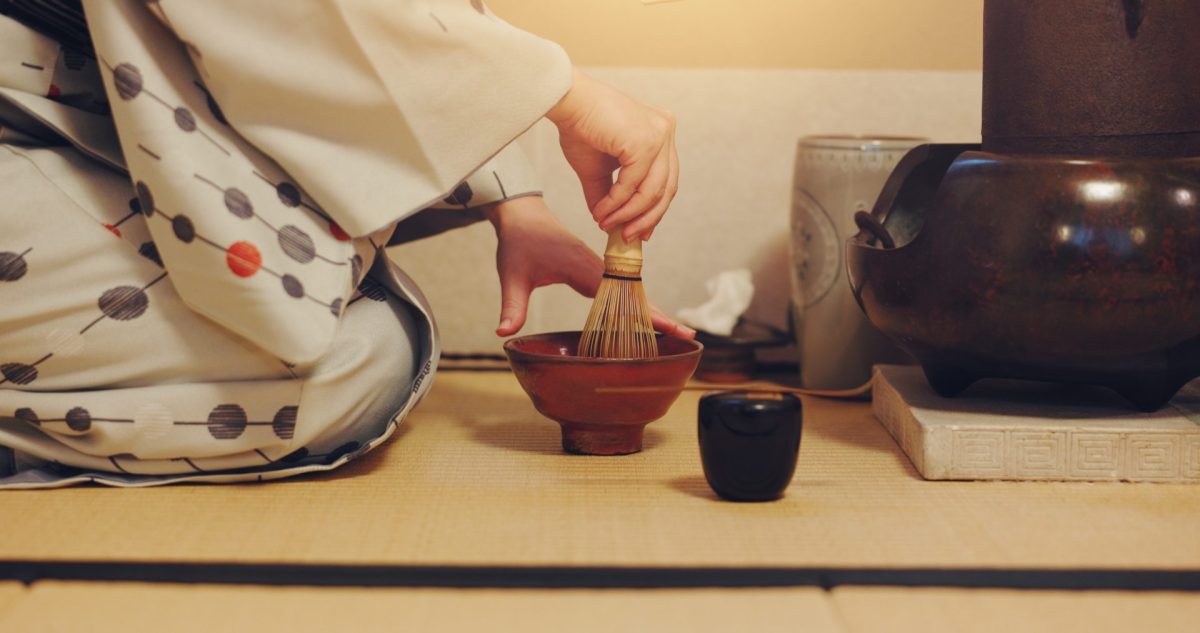
For incentive travel and VIP programs, Japan is a country where it is easy to offer “experiences that can only be had here.” For example, it is easy to create programs that balance cultural depth with a sense of exclusivity, such as special dinners at temples or historical buildings, and experiences with tea ceremonies, calligraphy, or traditional crafts.
Incentive travel requires the design of memorable experiences. In this regard, Japan offers both urban convenience and the depth of traditional culture. You can combine the convenience of Tokyo or Osaka with the traditional culture of Kyoto, and add local experiences in places like Hokkaido, Fukuoka, or Kanazawa. Since Japan has four distinct seasons, even more special designs are possible by combining the time of year with the destination.
Product Launches & Brand Activations
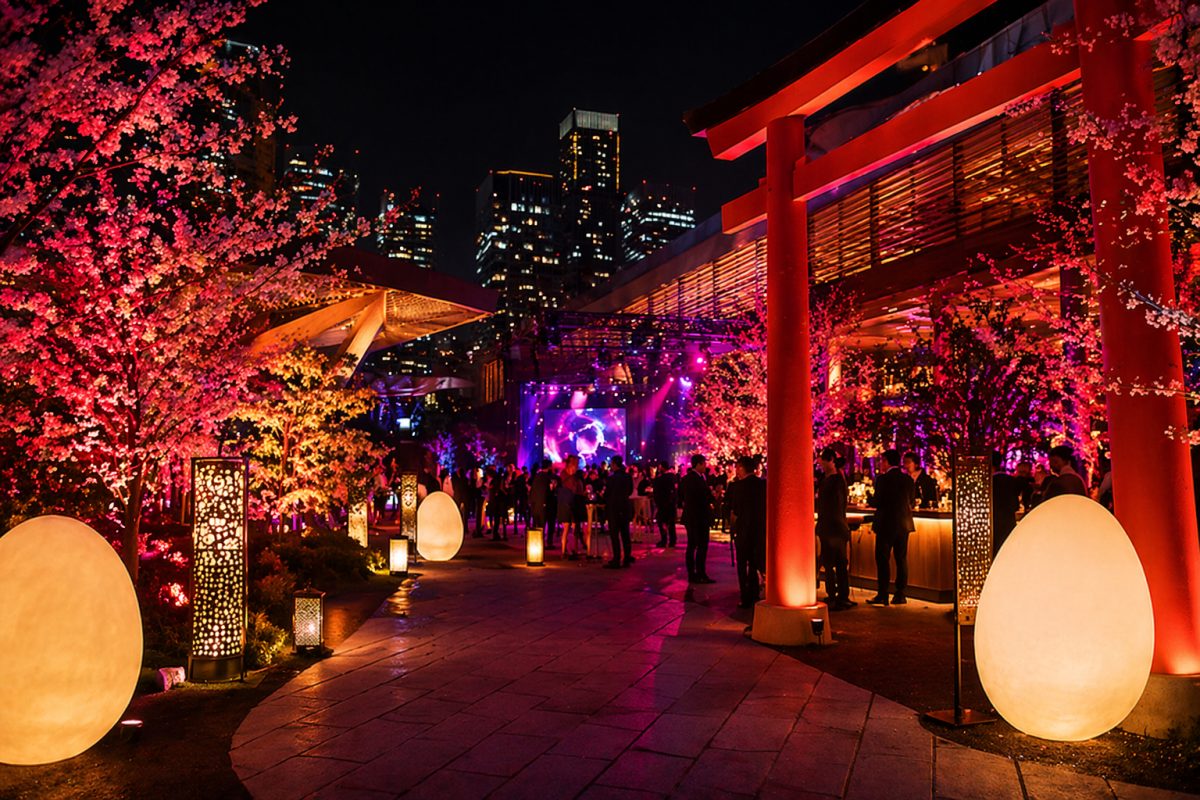
For new product launches and branding initiatives, Japan possesses the strength of combining cultural and urban sophistication. For instance, areas like Shibuya, Ginza, Harajuku, Omotesando, and Roppongi have distinctive contexts, making them ideal stages for broadcasting a brand’s worldview. Depending on the objective, various deployments are possible, from short-term pop-ups and media launches to influencer invitation events and public experiential events.
Additionally, because Japanese consumers and media are highly sensitive to presentation, they have a strong affinity for experiential events that combine AR, VR, interactive elements, video, and spatial design. By designing not only brand awareness but also SNS amplification, media exposure, and attendee experience as a cohesive whole, a launch event can be transformed from a one-off occasion into a starting point for generating buzz.
Top Cities for Hosting Your Event
Selecting the optimal host city is a critical step in maximizing the impact of your business event. From hyper-modern metropolises to historical capitals, Japan’s diverse urban landscapes offer distinct advantages tailored to different corporate objectives. Whether you prioritize global accessibility, deep cultural immersion, or regional innovation, finding the right location will set the perfect foundation for your event’s success.
Tokyo: The Epicenter of Global Business
Tokyo is the most suitable city in Japan for international business events. It has an extensive track record of accommodating foreign-affiliated companies, global brands, and multinational attendees, and is relatively well-equipped with English-speaking hotels, venues, staff, and suppliers. Given its access from international airports, options for accommodations, number of venues, abundant media touchpoints, and numerous elements of security, it will be the primary candidate for many overseas companies. Naturally, it is also ideal for companies hosting an event in Japan for the first time.
Kyoto & Osaka: Where Heritage Meets Innovation
Kyoto and Osaka are conveniently located for travel while each offering distinct charms; combining them can create exceptionally strong event value. Kyoto is ideal for events that highlight history, culture, and aesthetics, leaving a deep impression on attendees through unique venues and cultural experiences. It has a very high affinity for invitation-only events for luxury brands and small-group VIP programs.
Osaka, on the other hand, appeals with its functionality as a business city and its dynamic, open urban nature. It has multiple large venues suitable for large-scale events, and the presence of Kansai International Airport makes it highly convenient from overseas. By combining the cultural assets of Kyoto with the mobility of Osaka, it is possible to design an experience that cannot be found in other cities.
Emerging Regional Hubs
Beyond Tokyo and Osaka, Japan has numerous regional cities with high potential. Fukuoka, for example, has a high affinity with the startup and technology sectors and is attractive in terms of access from Asian countries. Its compact city size allows for efficient movement, and it is highly rated for the ease of executing high-density events while keeping costs relatively low.
Sapporo is also one of the cities actively attracting MICE events. It is particularly possible to design programs that leverage a sense of the seasons and the natural environment. In addition, Yokohama, Nagoya, Okinawa, Hiroshima, and Kanazawa can be cited as host destinations that utilize industrial clusters, tourism resources, and unique regional characteristics. If you want attendees to feel the “essence of Japan,” regional cities actually become a strong differentiating factor.
Overcoming Local Challenges: A Planner’s Guide
While Japan offers a world-class environment for business events, executing them seamlessly requires navigating a unique set of local hurdles. From nuanced communication styles to rigid operational protocols, international planners often encounter unexpected friction. Understanding these on-the-ground realities—and knowing exactly how to address them—is the key to turning potential risks into a flawless production.
Navigating Language Barriers in Production
When holding an event in Japan, one of the most easily overlooked challenges is the language barrier on-site. It is often assumed that having interpreters or translators is sufficient, but in the field, there are many industry-specific terms, situational judgments, and unspoken understandings. Simply translating words directly may not accurately convey the intent. Also, it is necessary to note that there are relatively few English speakers in Japan. Therefore, in Japanese event production, a mediator who understands both the expectations of the overseas client and the sensibilities of the Japanese site becomes crucial.
Strict Venue Regulations and Business Customs
While venue operations in Japan are of high quality, the rules and procedures are strict. Load-in and load-out time slots are strictly defined, and it is not uncommon for detailed restrictions to be set regarding fire, smoke, noise, ceiling rigging, and power usage.
Furthermore, differences in business customs require attention. The process leading up to a contract signing may not progress at the same pace as overseas. In Japan, “prior confirmation” and “documentation” are extremely important; understanding the rules early on and designing a schedule with built-in margins is the shortcut to success.
Why Partner with a Local Event Production Company (DMC)?
When an overseas company hosts an event in Japan, the presence of a local partner greatly affects the outcome. Events in Japan require various coordination efforts, including venue selection, vendor negotiation, construction management, equipment arrangement, production design, on-the-day operation, interpretation/translation, and VIP support. If these are driven solely by the overseas headquarters, communication losses and delayed judgments are likely to occur. The greatest advantage of partnering with a Japanese event production company or DMC is the ability to adapt to Japanese practicalities while maintaining global-standard expectations. It makes it possible to implement the headquarters’ intent of “how we want it to look” and “the experience we want to create” within the Japanese environment. An event production company like GLOBAL PRODUCE is not merely an arranging agency. By participating from the planning stage and providing end-to-end support—from concept design, venue negotiation, and production progression to budget management, risk hedging, and on-site direction—we significantly reduce the client’s burden. Especially for overseas projects, the presence of someone who “understands the overseas goals and can mobilize the Japanese side” is indispensable. A local partner elevates the precision of the entire project as that crucial bridge.
Successful Business Events in Japan (Case Studies)
Theory is best proven through execution. To illustrate how the unique advantages of hosting in Japan translate into tangible business results, let’s explore a selection of our recent success stories. The following case studies demonstrate how seamless local production, combined with strategic design, has elevated diverse events—from internal awards to international forums—into powerful brand experiences.
Case Study 1: A Large-Scale A Large-Scale In-Person Award Ceremony That Reignited Employee Pride
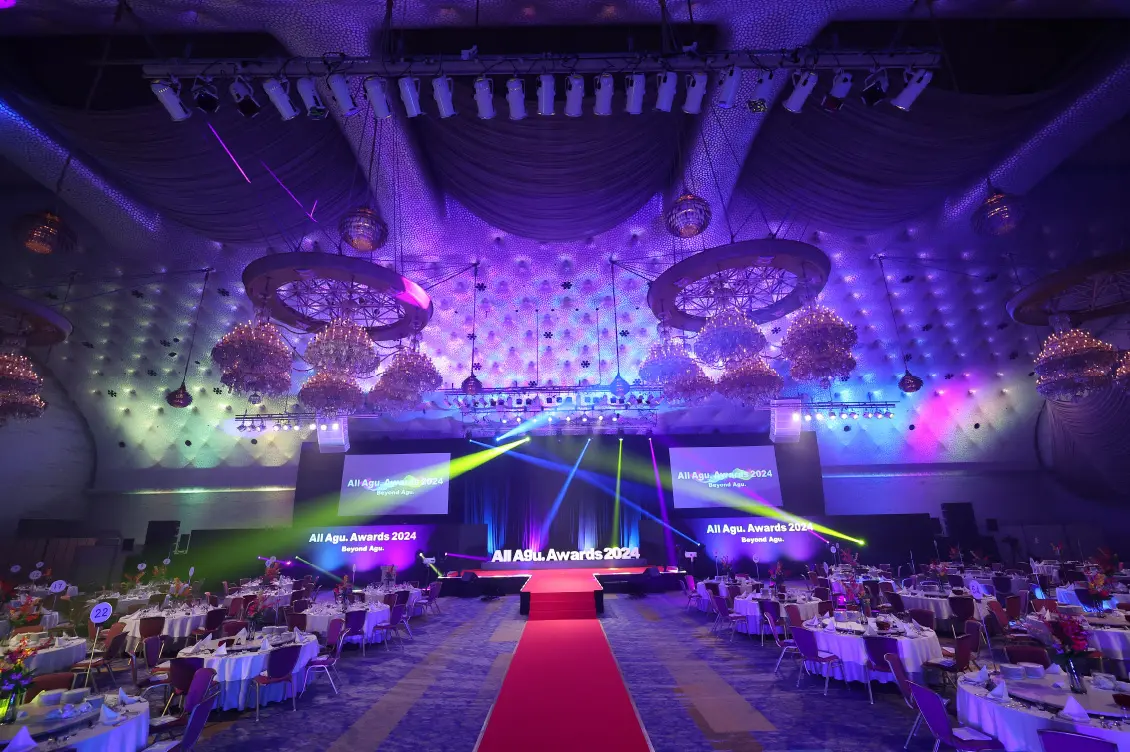
B-first Co., Ltd. “All Agu. Awards 2024” The “All Agu. Awards 2024” held by B-first Co., Ltd. was a large-scale award event held in person for the first time in four years. Against the backdrop of the Agu. Group reaching the milestone of 1,000 stores, it was planned as a venue to boost staff pride and a sense of unity. This event adopted a structure that allowed attendees to feel the company’s journey and the presence of the people who supported its founding period, rather than being just a simple award ceremony. Through an experiential design filled with continuous surprise and emotion over three hours, strong positive reactions were received from the attendees. It is a case study demonstrating the coexistence of accurate operations unique to Japan and the production power to appeal to emotions.
Case Study 2: A Milestone Anniversary Event That Connected Legacy and Future Vision
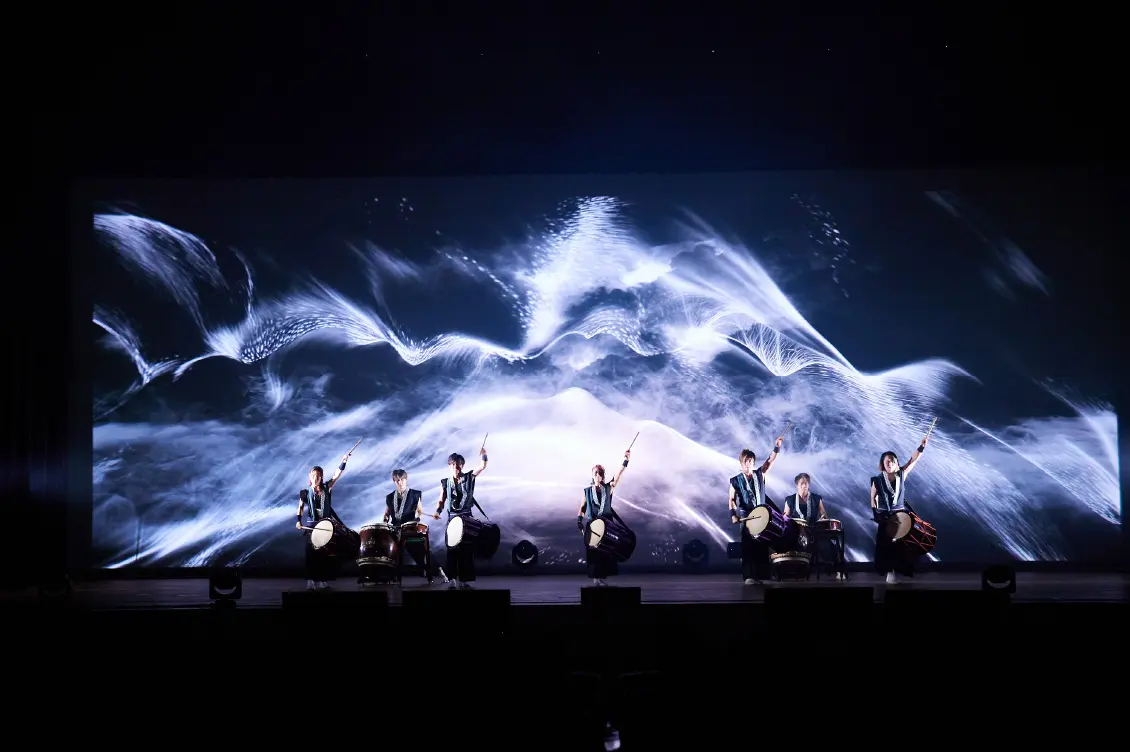
AUTOBACS SEVEN Co., Ltd. “Autobacs 50th Anniversary Ceremony” The 50th-anniversary ceremony of AUTOBACS SEVEN Co., Ltd. was held as an anniversary event to simultaneously convey gratitude for the past and the company’s stance for the next 50 years. By reflecting on history in the first half and showing a vision for the future in the second half, the anniversary ceremony was elevated into a highly message-driven experience. Additionally, new mechanisms were introduced, such as panel discussions utilizing interactive tools and reception via 2D codes. As a result, it received high praise from attendees, and despite being an anniversary event, it became a venue that impressed upon them the company’s change and progress. It is a prime example of visualizing a brand milestone from both the operational and production sides.
Case Study 3: A Hybrid International Forum Blending Dialogue, Experience, and Sustainability
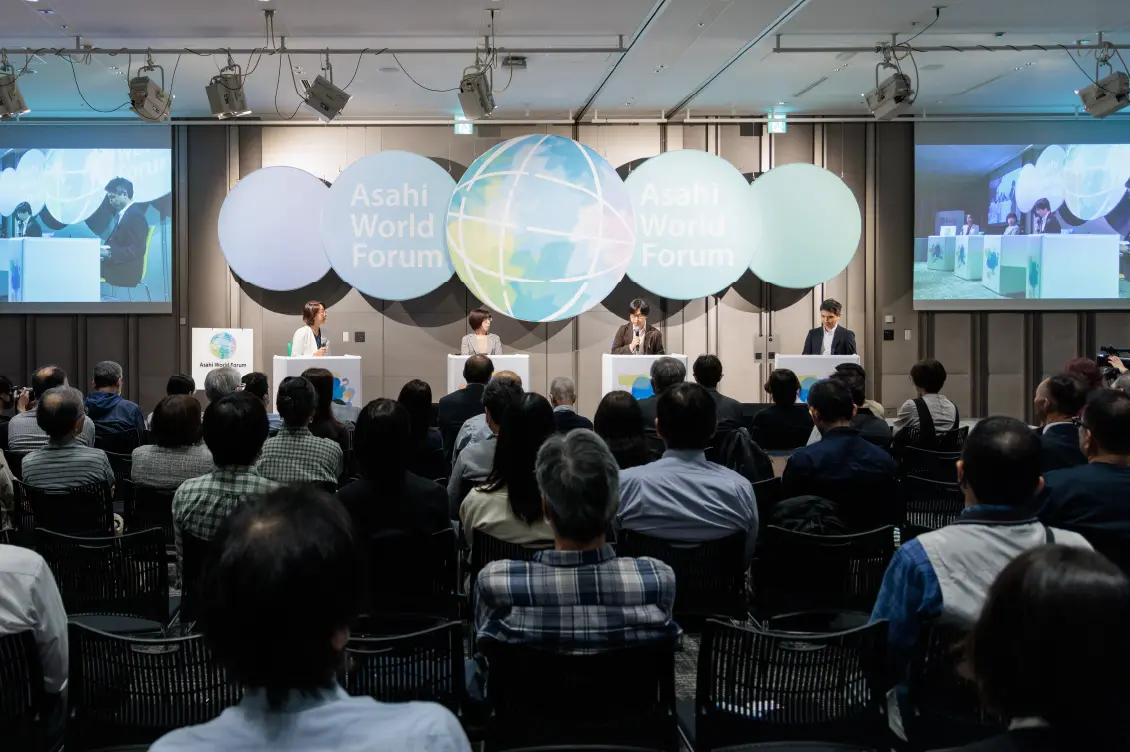
The Asahi Shimbun Company “Asahi World Forum” The “Asahi World Forum” hosted by The Asahi Shimbun Company is an international forum for discussing global issues. In 2024, it was held at the Tokyo Midtown Yaesu Conference in a hybrid format combining in-person and online sessions. Approximately 1,300 people visited the physical venue over two days. A characteristic of this case is that it enhanced the value unique to in-person participation by separating the space for deepening discussions from the space for exhibitions and networking. Furthermore, consideration was given to sustainable operations, such as the use of recycled materials and the calculation of GHG emissions. It is a case study showing that Japan can accommodate not only accurate hybrid operations but also advanced event designs that include social responsibility and environmental consideration.
Case Study 4: An Internal Award Event That Elevated Service Excellence into Brand Value
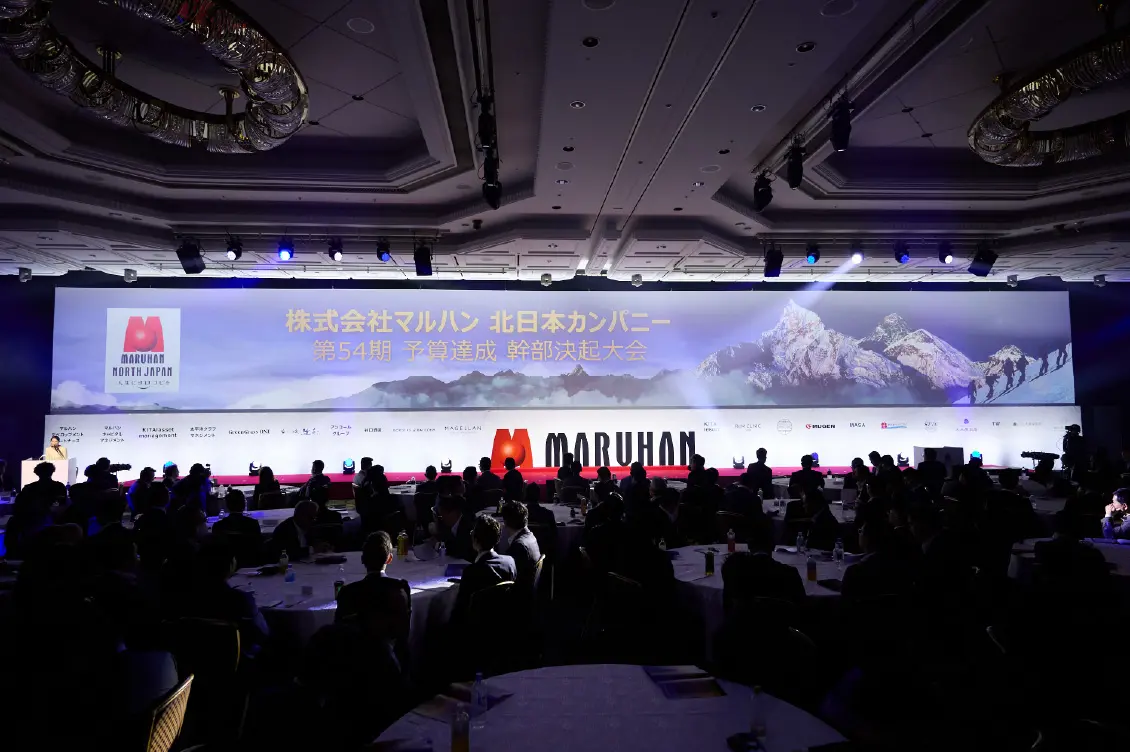
Maruhan Corporation North Japan Company “7th Maruhan Service Grand Prix North Japan Company Tournament” The “7th Maruhan Service Grand Prix North Japan Company Tournament” held by Maruhan Corporation North Japan Company is a preliminary festival and award ceremony honoring 26 finalists selected from approximately 3,000 participants. The objectives of this event were to discover and develop specialized talent, improve the motivation of participants and operating members, elevate service levels, and enhance brand value. Originally an employee-led customer service contest, this time emphasis was placed on elevating it to a more formal “company event.” What was particularly emphasized in the planning was the design of a stage experience that made the finalists feel “I want to stand on this stage again,” the production of a preliminary festival to convey enthusiasm to stakeholders, and the projection of regional characteristics to express gratitude and respect for the Tohoku region. It is also impressive that the event was brought to fruition through on-site coordination and proposal capabilities, flexibly responding to unexpected conditions such as a venue change. The reactions from participants and stakeholders were highly positive, and it served as an opportunity to convey the company’s stance and high service quality both internally and externally. This case demonstrates that Japanese event production can elevate an award setting from a mere ceremony into a place where organizational culture and brand value can be experienced.
Frequently Asked Questions
Q: How far in advance should we start planning a corporate event in Japan?
A: For large-scale conferences or events requiring unique venues, we recommend starting the planning process at least 6 to 12 months in advance. Popular venues in major cities like Tokyo and Kyoto book up very quickly, especially during peak seasons (Spring/Cherry blossoms and Autumn). Early engagement allows us to secure the best locations and ensures ample time to navigate local regulations and complex production logistics. However, if you are working on a tighter timeline, please contact us—our extensive local network often allows us to find high-quality solutions on shorter notice.
Q: Do we need to arrange our own interpreters, or can your team handle bilingual operations?
A: You do not need to arrange your own interpreters. Our team provides comprehensive bilingual support. We assign dedicated English-speaking producers to manage your project. Furthermore, we go beyond basic translation; our staff understands both global event standards and local production terminology. We handle all communication with local vendors, venue staff, and technical crews, ensuring your vision is executed flawlessly without any “lost in translation” moments on-site.
Q: Can you help secure “unique venues” like temples, shrines, or historical sites?
A: Yes, absolutely. Securing exclusive unique venues is one of our core strengths. Through deep-rooted local relationships and strong negotiation capabilities, we can arrange highly restricted locations that are often inaccessible to overseas planners, such as historic temples in Kyoto, traditional Noh theaters, and iconic cultural landmarks. We not only secure the venue but also manage the strict local regulations regarding sound, lighting, and load-in/out procedures to create a truly unforgettable and authentic Japanese experience for your VIP guests.
Q: Are there any specific Japanese business customs or venue regulations we should know about?
A: Yes, the Japanese event industry is characterized by extremely high quality but very strict adherence to rules and schedules. For instance, load-in times are regulated down to the minute, and changes to the layout or technical plan on the day of the event are often not permitted by the venue. Additionally, business consensus-building in Japan requires detailed documentation and prior approvals at multiple stages. By partnering with us as your local DMC, we absorb all these complexities. We guide you through the process, translating not just the language, but the cultural and operational nuances, ensuring your event proceeds as smoothly as it would in your home country.
Conclusion
Japan is a host destination that combines the functionality necessary for business events with experiential value that remains in attendees’ memories. Advanced infrastructure, accurate operations, refined hospitality, and the diverse appeal of each city serve as major strengths for any conference, exhibition, launch event, or incentive trip. On the other hand, it is also true that there are practical hurdles unique to Japan, such as language, business customs, and venue regulations. That is precisely why the presence of a local partner who can mobilize the Japanese site while understanding overseas standards is vital. By partnering with the right local team, hosting an event in Japan transforms from a complex challenge into a significant opportunity to elevate brand value.
Ready to Elevate Your Next Event in Japan? Please feel free to contact us with any questions or requests regarding MICE and business events in Japan. Our team is always here to help.
For global corporations seeking an unparalleled, authentic experience, we proudly introduce DRAGON EVENTS—our specialized inbound event production brand. Designed exclusively for international planners, DRAGON EVENTS provides a one-stop solution that seamlessly fuses Japan’s rich traditional culture with cutting-edge production technology. From securing exclusive unique venues like historic shrines and Noh theaters to providing dedicated bilingual support, our cross-cultural experts will eliminate local hurdles and bring your vision to life flawlessly.
[ Discover DRAGON EVENTS (https://globalproduce-event.com/what/dragon-events/) ]
[ Contact Us / Get a Quote (https://globalproduce-event.com/contact/) ]

SUPERVISED BY

A collective of event production professionals handling the planning, production, and management of over 200 events annually.
From internal gatherings like shareholders' meetings, anniversaries, and award ceremonies to external PR events and exhibitions, we design and deliver optimal communication solutions. Whether in-person, online, or hybrid, we give form to the messages companies wish to convey.