

English Speaking Event Planner Tokyo: How to Run International Events Smoothly in Japan
The challenge of producing an international event in Tokyo is not a shortage of capability. Tokyo is home to world-class venues, luxury hotels, unique cultural settings, highly experienced production teams, and one of the most reliable infrastructures in the world.
The real challenge is usually different.
It is communication.
For overseas companies hosting conferences, brand events, executive meetings, product launches, incentive programs, or hybrid events in Japan, the most common friction does not come from the venue itself. It comes from coordinating multiple vendors, aligning different working styles, translating business expectations into local operations, and making sure every stakeholder understands the same plan.
That is why choosing an English-speaking event planner in Tokyo is not simply a language preference. It is a risk-management decision.
A capable bilingual event planner does more than translate English into Japanese. They help international teams move projects forward inside the Japanese market.
Why International Events in Tokyo Need More Than Translation
Many overseas teams assume that if a venue has English-speaking staff, the event will run smoothly.
In reality, business events involve far more than hotel reception or venue sales communication.
A typical corporate event in Tokyo may require coordination across:
- venue managers
- AV and technical vendors
- staging and scenic suppliers
- lighting and sound teams
- interpretation providers
- catering teams
- transportation vendors
- security staff
- registration teams
- VIP hospitality staff
- local authorities or facility managers
- internal stakeholders from global headquarters
Each partner may have different assumptions about timelines, documentation, approval processes, rehearsals, and on-site decision-making.
This is where language alone is not enough.
An English-speaking event planner in Tokyo must understand both sides: the speed, clarity, and business expectations of international clients, and the detailed, preparation-driven production culture of Japan.
What an English Speaking Event Planner in Tokyo Actually Does
An English-speaking event planner in Tokyo should support the full project lifecycle, from early planning to on-site execution.
The role typically includes the following areas.
1. English–Japanese Communication Management
The planner acts as the communication bridge between the international client and Japanese vendors.
This includes:
- Translating client requirements into actionable vendor instructions
- Explaining Japanese venue rules and production constraints in English
- Clarifying budget assumptions and scope
- Managing meeting notes, approvals, and deadlines
- Preventing misunderstandings before they become problems
The best event planners do not simply translate words. They translate expectations.
2. Vendor Coordination Across Multiple Partners
Tokyo events often require several specialized vendors. Even a mid-size conference may involve separate teams for staging, lighting, sound, video, interpretation, registration, catering, transportation, and guest management.
An English-speaking event planner coordinates these partners so the client does not need to manage every local detail directly.
This is especially important when the client team is based in Singapore, Hong Kong, the United States, Europe, or another overseas market and cannot be physically present in Tokyo throughout the planning process.
3. Local Operational Guidance
Japan has its own event production norms.
For example, venues often require detailed documents, precise schedules, pre-approved layouts, safety confirmation, and careful coordination around load-in and load-out. Unique venues such as cultural properties, traditional theaters, gardens, or heritage spaces may have additional restrictions.
An experienced Tokyo-based event planner can guide international teams through these local rules and explain what is flexible, what is not, and where planning time must be protected.
4. Cross-Border Event Execution Support
International events involve different time zones, stakeholders, languages, and approval layers.
A bilingual event planner helps connect:
- global headquarters
- regional offices
- Japanese vendors
- local venue teams
- creative agencies
- production crews
- speakers and VIPs
This is especially important for APAC conferences, brand summits, product launches, incentive travel programs, and executive meetings where stakeholders are spread across multiple countries.
When You Need an English Speaking Event Planner in Tokyo
Not every meeting requires a full production partner. But for international business events, an English speaking event planner becomes highly valuable when the event includes any of the following:
| Event situation | Why bilingual planning matters |
| International attendees | Guest guidance, signage, interpretation, and hospitality must be clear |
| Overseas headquarters | Communication must work across time zones and business cultures |
| Multiple Japanese vendors | Local coordination needs to be centralized |
| Executive or VIP guests | Hospitality, timing, and protocol must be handled precisely |
| Hybrid or online delivery | Technical requirements must be aligned in both languages |
| Unique venues | Local rules, permissions, and production constraints must be managed |
| Brand-sensitive events | Creative intent must be protected through execution |
If the event is strategically important, bilingual planning is not optional. It is part of the production quality.
Common Challenges for Overseas Companies Hosting Events in Tokyo
Challenge 1: “We can speak English with the hotel, so we should be fine.”
Hotel sales teams may support English communication, but the full production process involves many people who may not work in English.
Back-of-house coordination, technical details, rehearsal notes, safety rules, stage construction, and vendor instructions often happen primarily in Japanese.
A bilingual event planner ensures that the client-facing English communication and the local Japanese operation remain aligned.
Challenge 2: “We will manage vendors directly from overseas.”
This can work for simple meetings. It becomes risky for complex events.
Japanese vendors often expect detailed instructions, clear documentation, fixed approval points, and precise schedules. Overseas teams may expect more flexible, real-time decision-making.
A local English speaking planner helps manage this gap and reduces the risk of delay or misalignment.
Challenge 3: “Translation is enough.”
Translation is only one layer.
Successful international events require interpretation of context, intent, tone, priority, risk, and business meaning.
For example, a global brand may say, “We want the event to feel premium, but not too formal.”
A good planner translates that into concrete production decisions: venue style, stage design, lighting tone, hospitality flow, MC scripting, music, signage, and guest movement.
That is not translation. That is production interpretation.
What to Look for in an English Speaking Event Planner in Tokyo
When choosing a partner, look beyond language ability.
A strong English speaking event planner in Tokyo should have:
1. Proven International Event Experience
Look for experience with overseas clients, APAC headquarters, global brands, or multilingual event operations.
Ask whether they have managed events involving:
- overseas executives
- international attendees
- English-language production meetings
- bilingual run-of-show documents
- interpretation or simultaneous translation
- hybrid or livestreaming components
2. Local Vendor Network
A planner should have access to reliable Japanese vendors and know how to coordinate them efficiently.
This includes venue partners, AV teams, stage builders, interpreters, production crews, transportation providers, hospitality teams, and unique venue operators.
In Tokyo, the quality of local relationships can directly affect what is possible.
3. Production Knowledge, Not Just Planning Support
Some planners can coordinate schedules. Fewer can understand technical production.
For business events, you want a partner who can discuss:
- stage layouts
- LED screens
- lighting plans
- sound design
- camera and livestreaming setup
- rehearsal schedules
- speaker management
- guest flow
- risk management
The planner does not need to operate every technical system personally, but they must understand how each production element affects the event experience.
4. Ability to Explain Japanese Working Styles to Global Teams
A good bilingual planner helps overseas teams understand how events are produced in Japan.
This includes why certain approvals are needed early, why venue rules may be strict, why detailed documentation matters, and why rehearsals are often more structured than in some other markets.
The planner should not simply say, “This is how Japan works.”
They should explain the reason, offer options, and help the client make informed decisions.
Why Tokyo Is Worth the Effort
Tokyo may require more careful coordination than some English-native event destinations. But that effort can create a stronger event outcome.
Tokyo offers:
- premium hotels and conference venues;
- modern halls and large-scale convention spaces;
- unique cultural venues;
- highly reliable infrastructure;
- sophisticated production vendors;
- deep hospitality standards;
- seasonal and cultural storytelling opportunities;
- strong appeal for international attendees.
For conferences, brand events, incentive programs, executive meetings, and product launches, Tokyo can deliver a level of memorability that is difficult to replicate elsewhere.
But the value of Tokyo is unlocked only when local execution is handled properly.
That is why the right English speaking event planner matters.
Meet Our Bilingual Event Production Team
An English speaking event planner in Tokyo is not only a translator. For international events, the role requires business understanding, local production knowledge, vendor coordination, and the ability to keep global and Japanese teams aligned.
At GLOBAL PRODUCE, our bilingual production team supports overseas clients from early planning to on-site execution.
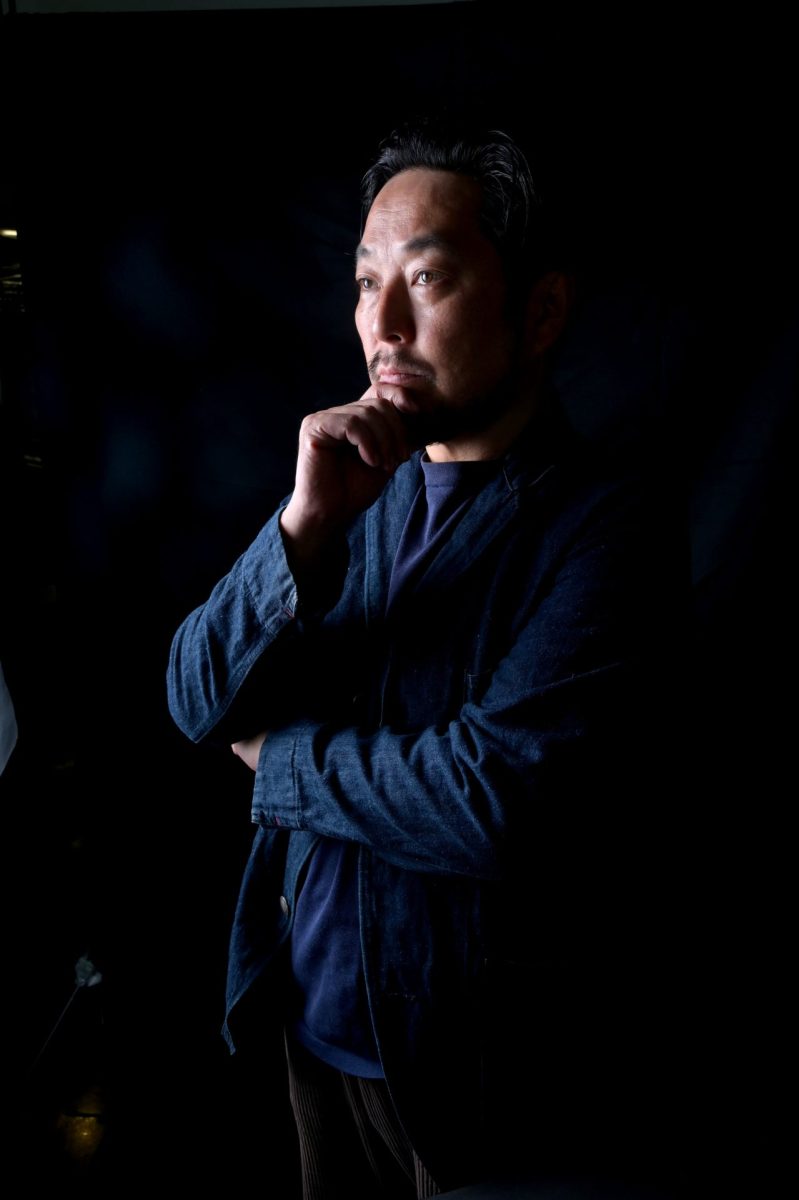
Tomo Murakami
Project Manager / Global Lead
Supports international client communication and cross-border project coordination. He helps overseas teams translate business goals into practical event plans in Japan.
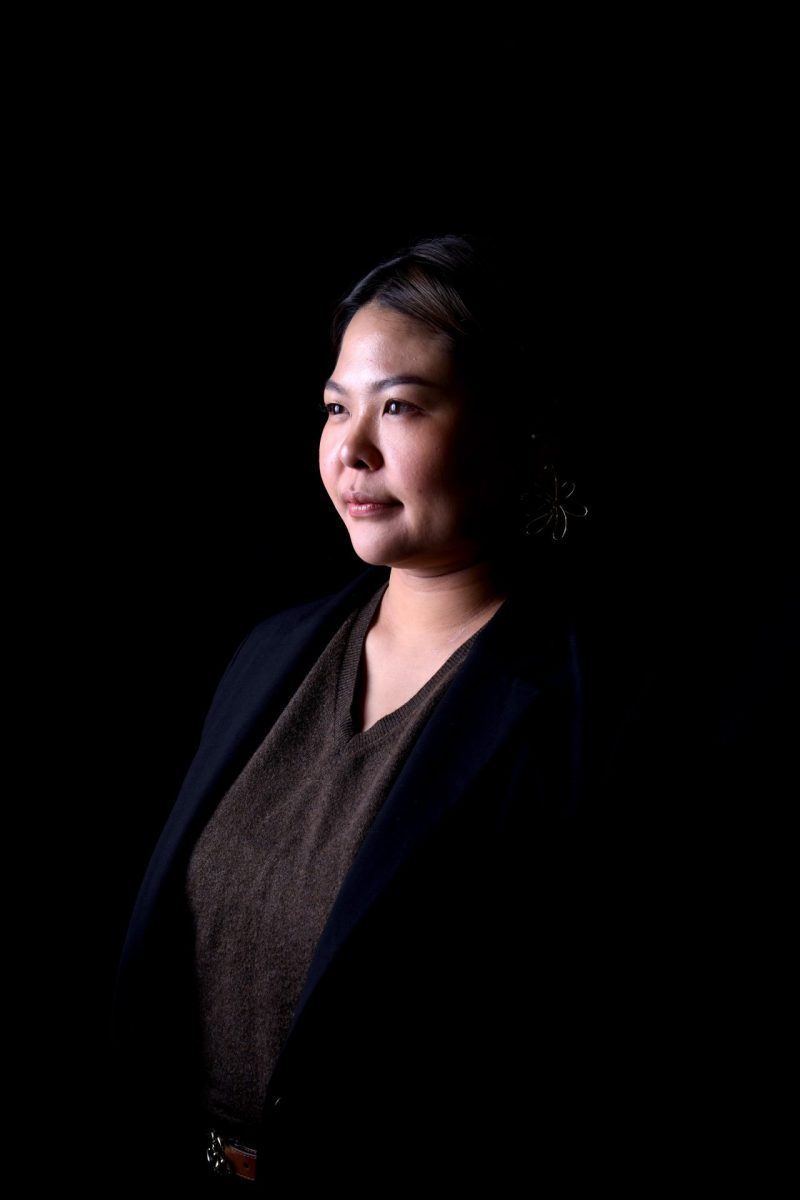
Yuki Akutagawa
Bilingual Producer / Event Production Specialist
Coordinates between English-speaking clients and Japanese vendors, helping ensure that schedules, budgets, venue rules, and production details are clearly aligned.
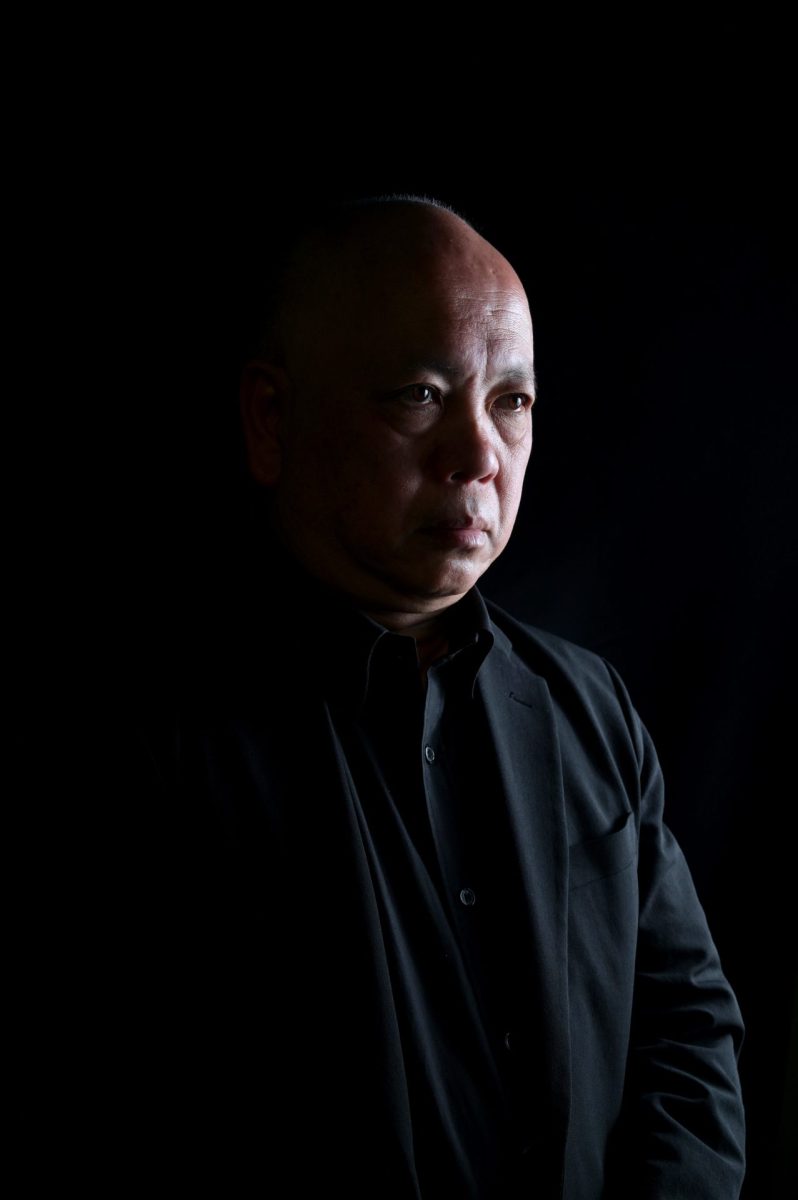
Tony
International Event Specialist / Technical Director
Supports cross-border flow, international
coordination, and technical execution for
international events.
Together, our bilingual team helps clients manage the complexity of producing events in Tokyo — from venue coordination and vendor communication to rehearsal planning, guest hospitality, and on-site operation.
For overseas companies, this means they do not need to manage every Japanese-language detail themselves. Our team acts as the bridge between global expectations and local execution.
How GLOBAL PRODUCE Supports International Events in Tokyo
GLOBAL PRODUCE is a Tokyo-based event production company supporting both Japanese enterprises and international clients.
Our bilingual production team supports overseas clients through:
- English–Japanese communication management
- Vendor coordination across multiple local partners
- Event planning and production in Tokyo and across Japan
- Conference and brand event production
- Hybrid and online event support
- Unique venue coordination
- On-site operation and technical production
- Local guidance for overseas teams
We do not simply translate information between English and Japanese.
We help global teams move projects forward smoothly inside the Japanese market.
From planning meetings to on-site execution, our role is to make sure the event concept, production plan, vendor operations, and guest experience remain aligned.
FAQ: English Speaking Event Planner in Tokyo
Do I need an English speaking event planner if the venue staff speak English?
Yes, in most cases. English-speaking venue staff can support venue-related communication, but a business event usually involves many additional vendors and operational details. A bilingual event planner coordinates the entire production, not just the venue.
Can the entire planning process be conducted in English?
Yes, with the right partner. A bilingual event production company can act as the single point of contact for the international client while managing Japanese-language vendor coordination internally.
What types of events can an English speaking planner support in Tokyo?
They can support conferences, seminars, brand events, product launches, incentive programs, gala dinners, exhibitions, executive meetings, hybrid events, and VIP experiences.
How early should we start planning an event in Tokyo?
For a mid-size corporate event, 4–6 months is a good starting point. For large conferences, VIP programs, or unique venues, 6–12 months is safer.
Can an English speaking planner help with unique venues in Tokyo?
Yes. A local planner can help identify, secure, and coordinate unique venues such as cultural spaces, gardens, theaters, hotels, galleries, and heritage-style venues. These often require local relationships and careful operational planning.
Conclusion
If you are planning an international event in Tokyo, the most important question is not only “Can the venue support English?”
The better question is:
Who will keep the entire project aligned across languages, vendors, teams, and cultures?
Tokyo has the venues, production capability, hospitality, and cultural depth to host exceptional international events. But successful execution depends on clear communication and local coordination.
An English speaking event planner in Tokyo helps turn that complexity into a smooth, strategic, and memorable event experience.
If you are planning a conference, brand event, executive meeting, incentive program, or hybrid event in Tokyo, GLOBAL PRODUCE can support your team from early planning to on-site execution.

SUPERVISED BY

A collective of event production professionals handling the planning, production, and management of over 200 events annually.
From internal gatherings like shareholders' meetings, anniversaries, and award ceremonies to external PR events and exhibitions, we design and deliver optimal communication solutions. Whether in-person, online, or hybrid, we give form to the messages companies wish to convey.