

Planning an Event in Japan?
7 Things Every Event Planner Should Know
Are you considering Japan for your next event?
Japan has its own unique culture, customs, and ways of doing business. So, if you are planning an event here for the first time, you may find that some things work a little differently from what you are used to.
Venue rules, language, transportation, catering, communication with local teams — there are a few things that are unique to planning an event in Japan.
But don’t worry.
Planning an event in Japan does not have to be complicated. With the right local partner who understands how things work here, many of these challenges can be handled smoothly.
Here are seven things you should know before planning an event in Japan.
1. Every Venue Has Its Own Rules
Japan offers a wide variety of event venues, from hotels and convention halls to conference centers and unique venues.
However, each venue may have different rules regarding operating hours, loading and unloading, AV equipment, staging, decorations, and more.
For example, even if a venue is available until 10:00 PM, that does not necessarily mean your event can run until 10:00 PM. In some cases, teardown and load-out must also be completed within the booked venue hours.
At GLOBAL PRODUCE, we help you find the right venue for your event and take care of the details, from checking venue requirements to coordinating directly with the venue team.
2. Timing Matters — A Lot
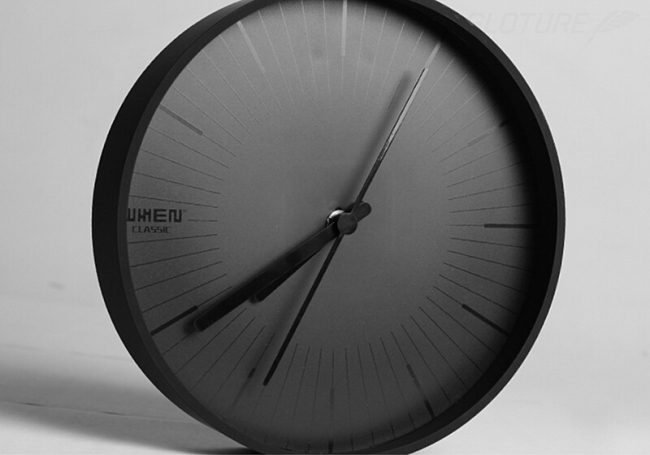
In Japan, event schedules tend to be carefully planned and closely managed.
And we are not just talking about the event start time.
Load-in, setup, rehearsals, speaker call times, the event itself, teardown — every stage of the production process is carefully scheduled.
For corporate events in particular, starting and finishing on time is taken very seriously.
This level of detail may feel a little different at first, but it is also one of the reasons why events in Japan are known for smooth and reliable operations.
3. English Is Not Available Everywhere
English support is becoming increasingly common in major cities such as Tokyo and Osaka. However, not every venue or event supplier is able to communicate fully in English.
For detailed production discussions involving AV, lighting, staging, construction, or catering, communication in Japanese may sometimes be necessary.
That is where having a local partner becomes especially important.
GLOBAL PRODUCE acts as the bridge between our clients and local venues, suppliers, and production teams.
We do more than simply translate words. We make sure everyone understands the intention behind your request — what you want to achieve and why it matters.
4. Plan Dietary Requirements Early
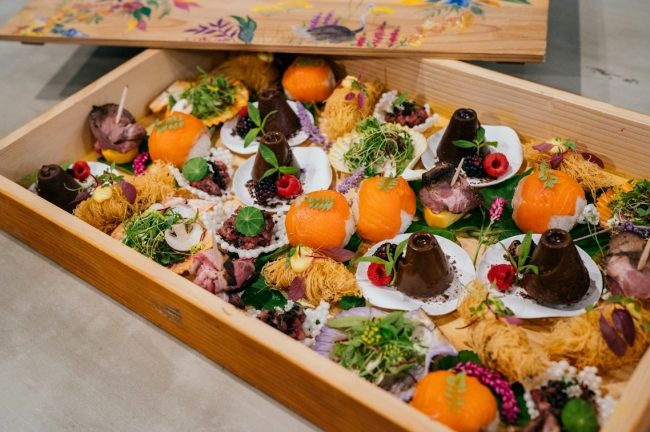
Food is an important part of many events.
When welcoming international guests, you may need to accommodate a wide range of dietary requirements, including vegetarian, vegan, halal, and food allergies.
More venues and catering companies in Japan are now able to accommodate these requests, but the level of support can vary.
That is why we recommend gathering your guests’ dietary requirements as early as possible and coordinating with the venue and catering team in advance.
A little preparation goes a long way.
5. Transportation Is Convenient — But Can Be Confusing
Japan has an excellent public transportation system, especially in major cities such as Tokyo.
For first-time visitors, however, it can sometimes feel overwhelming.
Stations such as Tokyo and Shinjuku have numerous train lines, platforms, exits, and underground passages. It is entirely possible for a guest to arrive at the right station — and still have no idea where to go next.
That is why we think beyond the event venue itself.
From the airport to the hotel, and from the hotel to the venue, the entire guest journey matters.
Clear signage, well-positioned staff, detailed directions, and private transportation such as shuttle buses can all help reduce stress and create a much smoother experience for your guests.
6. Be Prepared for the Unexpected

When planning an event in Japan, it is also important to be prepared for unexpected situations, including earthquakes and other natural disasters.
But there is no need to be overly concerned.
Most event venues in Japan have established evacuation routes and emergency procedures, which event teams review in advance.
For events with international guests, it is also helpful to consider how emergency information would be communicated in English and how guests would be guided if something happened.
Good event planning is not only about preparing for everything to go according to plan.
It is also about knowing what to do when it doesn’t.
7. Japanese Hospitality Is in the Details
One of the things Japan is known for is its spirit of hospitality — often called “omotenashi.”
But omotenashi is not simply about luxurious decorations or expensive food.
It can be making sure guests never get lost at registration.
Providing a convenient place to leave their belongings.
Thinking about where guests can leave their umbrellas on a rainy day.
Preparing clear signs that international visitors can easily understand.
Each detail may seem small on its own, but together, they can completely change how guests experience an event.
Anticipating what guests may need before they even have to ask.
That is one of the ideas behind Japanese hospitality.
Finally
Planning an event in Japan may come with a few unfamiliar rules, customs, and ways of working.
But you do not have to figure everything out on your own.
GLOBAL PRODUCE provides end-to-end event production support in Japan, from planning and venue sourcing to production, on-site operations, and coordination with local partners.
You bring your ideas and vision to Japan.
Let us take care of bringing them to life.
Our goal is to make planning an event in Japan simpler, smoother, and something you can genuinely look forward to.
GLOBAL PRODUCE is here to help you take that first step.

SUPERVISED BY

A collective of event production professionals handling the planning, production, and management of over 200 events annually.
From internal gatherings like shareholders' meetings, anniversaries, and award ceremonies to external PR events and exhibitions, we design and deliver optimal communication solutions. Whether in-person, online, or hybrid, we give form to the messages companies wish to convey.