

When the “Normal” World Breaks: The Hidden Worlds of Spring 2026 Anime
What drew me most to the spring 2026 anime season was not spectacular battles or overwhelmingly powerful characters.
Instead, I found myself captivated by stories that ask a more unsettling question:
Is the world we take for granted really the world we think it is?
A place that feels safe may actually be a cage designed and controlled by someone else. A talent that seems reserved for a special few may really be knowledge monopolized by those in power. A broken country may not be saved by one strong hero, but rebuilt through intelligence, dialogue, and strategy.
Yomi no Tsugai, Witch Hat Atelier, and Nippon Sangoku are very different in genre and setting. Yet all three share something important: they are stories about people who refuse to accept the world they were given.
A Peaceful Place Is Not Always a Safe Place
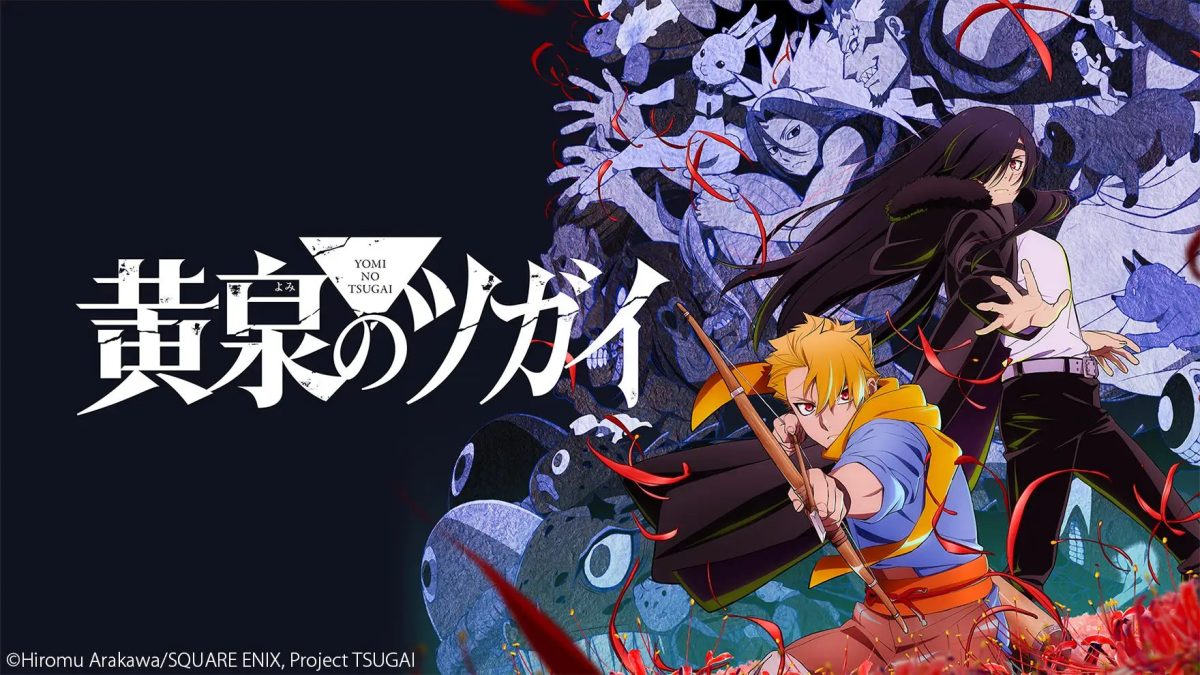
Yomi no Tsugai, created by Hiromu Arakawa of Fullmetal Alchemist fame, is a dark fantasy centered on Yuru, a boy living quietly in a remote mountain village.
At first, the village appears isolated but peaceful. However, as Yuru learns more about his own birth, the role of the village, and the hidden intentions of the adults around him, the meaning of his home begins to change.
What makes the story compelling is not simply that the world becomes larger. It is that the world becomes more suspicious.
The more Yuru discovers, the more the place he once considered safe starts to feel like something else entirely. A home can become a prison. Protection can become control. The people who seem closest to you may also be the people deciding what you are allowed to know.
That feeling is similar to The Promised Neverland. In that story, a beautiful orphanage, kind adults, and a comfortable daily life all hide a much darker reality. What looks like safety is actually part of a system that takes away freedom.
Yomi no Tsugai creates a similar tension. It makes us question words that usually feel reassuring: hometown, family, allies, tradition.
Sometimes the most dangerous structure is not the one that looks threatening. It is the one that looks comfortable enough that no one thinks to escape it.
Magic Is Not Talent. It Is Hidden Knowledge.
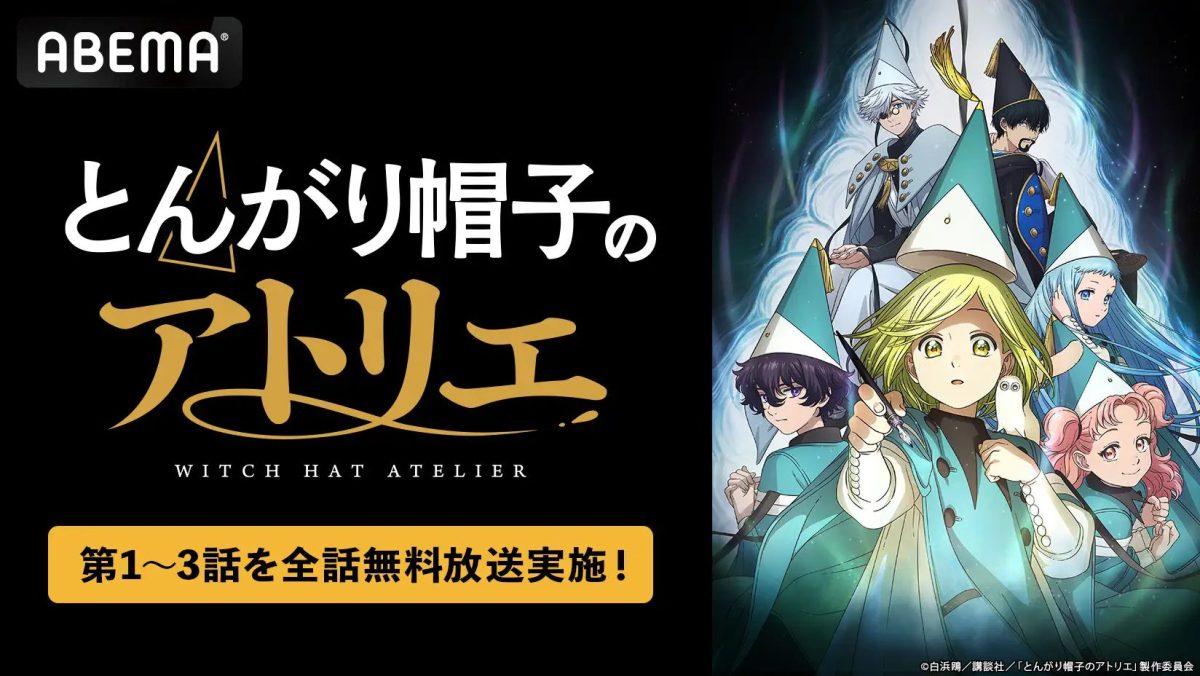
Witch Hat Atelier begins from a much softer and more beautiful place.
Coco is a young girl who dreams of becoming a witch. In her world, magic is believed to belong only to people who are born with the ability to use it. To everyone else, witches are special, distant, and almost impossible to become.
But Coco discovers a secret: magic is not something that only a chosen few can use. With the right tools and the right knowledge, anyone can draw magic circles and create magic.
That revelation changes everything.
The story is not simply about a girl achieving her dream. It is about access to knowledge.
Coco is not told that she lacks talent because she is incapable. She is told that magic is impossible because the information she needs has been hidden from her. The world has made magic look like an exclusive gift, when in reality it is a skill that has been carefully protected and controlled.
However, Witch Hat Atelier does not present this discovery as an easy message of liberation.
Magic is beautiful. It is exciting. It is full of possibility. But it is also dangerous.
Coco’s admiration for magic leads her to hurt the person she loves most, her mother. From that point on, her journey becomes more than a story about becoming special. It becomes a story about responsibility.
The idea that “anyone can do it” is incredibly hopeful. But it is also frightening.
Knowledge can free people. It can also harm people. Access matters, but so does the wisdom to use what we gain.
That complexity is what makes Witch Hat Atelier so powerful.
Rebuilding a Broken Nation Through Strategy
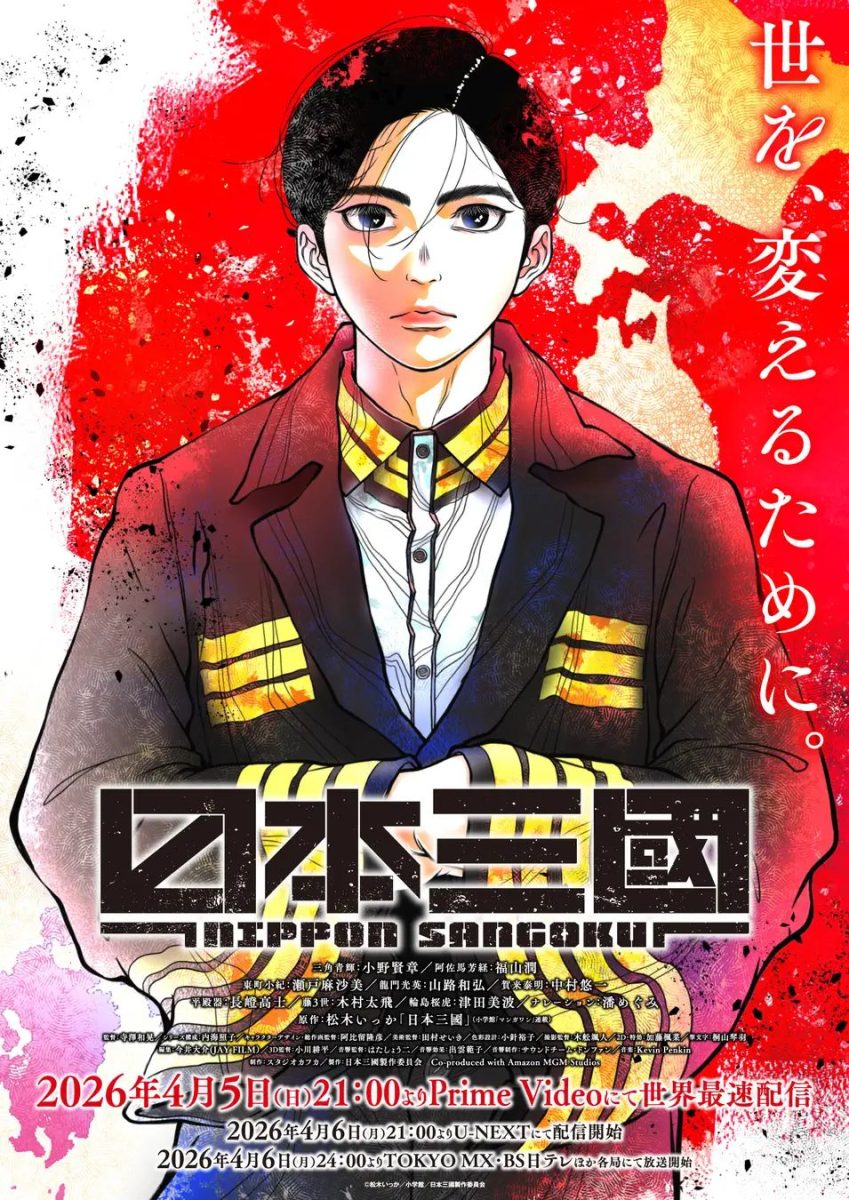
Nippon Sangoku is slightly different from the other two.
Rather than uncovering a hidden world or forbidden knowledge, it asks a different question: what happens after the world has already fallen apart?
Set in a near-future Japan that has collapsed and divided into three separate countries, the story follows Aoteru Misumi, a man who aims to reunify Japan. His weapon is not overwhelming physical strength. It is knowledge, persuasion, political instinct, and strategy.
At first glance, the series may sound similar to a historical war story or a military drama. But its appeal is not really about who is the strongest fighter.
It is about who understands the situation most deeply.
Aoteru’s journey begins with personal revenge. Yet over time, his goal expands into something much larger: how can people live without endless conflict? How can a divided country become one again? How can peace be built in a world where everyone has something to lose?
This is where Nippon Sangoku feels different from a series like Kingdom.
Kingdom has the energy of battlefield heroism, powerful warriors, and dramatic military momentum. Nippon Sangoku, meanwhile, is more interested in the systems behind conflict. It treats politics, public opinion, negotiation, fear, institutions, and information as part of the battlefield.
Peace is not simply the moment when fighting stops.
Peace must be designed. It must be negotiated. It must be protected. And it can disappear very quickly when people stop maintaining it.
That perspective makes Nippon Sangoku feel fresh. It is not only about winning a war. It is about rebuilding the conditions that make war less necessary.
Only Those Who See Behind the World Can Choose What Comes Next
Yomi no Tsugai reveals the hidden side of a familiar hometown.
Witch Hat Atelier reveals the hidden side of talent.
Nippon Sangoku reveals the hidden side of nations, power, and peace.
What connects these three stories is the feeling that the world is not complete simply because it already exists.
Rules are made by someone. Knowledge is hidden by someone. Safe spaces are often designed around someone else’s interests.
The moment a character begins to question those structures, the story begins to move.
In that sense, events are not so different.
A venue, a stage, lighting, guest flow, and a program are all designed around assumptions. They create a world that participants are expected to enter and follow.
But the experiences people remember are not usually the ones where they simply admire a finished space.
They are the ones where a conversation, a choice, or an unexpected discovery changes the meaning of the room.
At that moment, people stop being spectators.
They become part of the story.
And perhaps that is what we really love about these kinds of anime. They remind us that the world we inherit is not always the world we have to accept.
SUPERVISED BY

A collective of event production professionals handling the planning, production, and management of over 200 events annually.
From internal gatherings like shareholders' meetings, anniversaries, and award ceremonies to external PR events and exhibitions, we design and deliver optimal communication solutions. Whether in-person, online, or hybrid, we give form to the messages companies wish to convey.