

Tokyo vs Singapore for Conferences: An Honest 2026 Comparison from a Japan-Based Event Agency
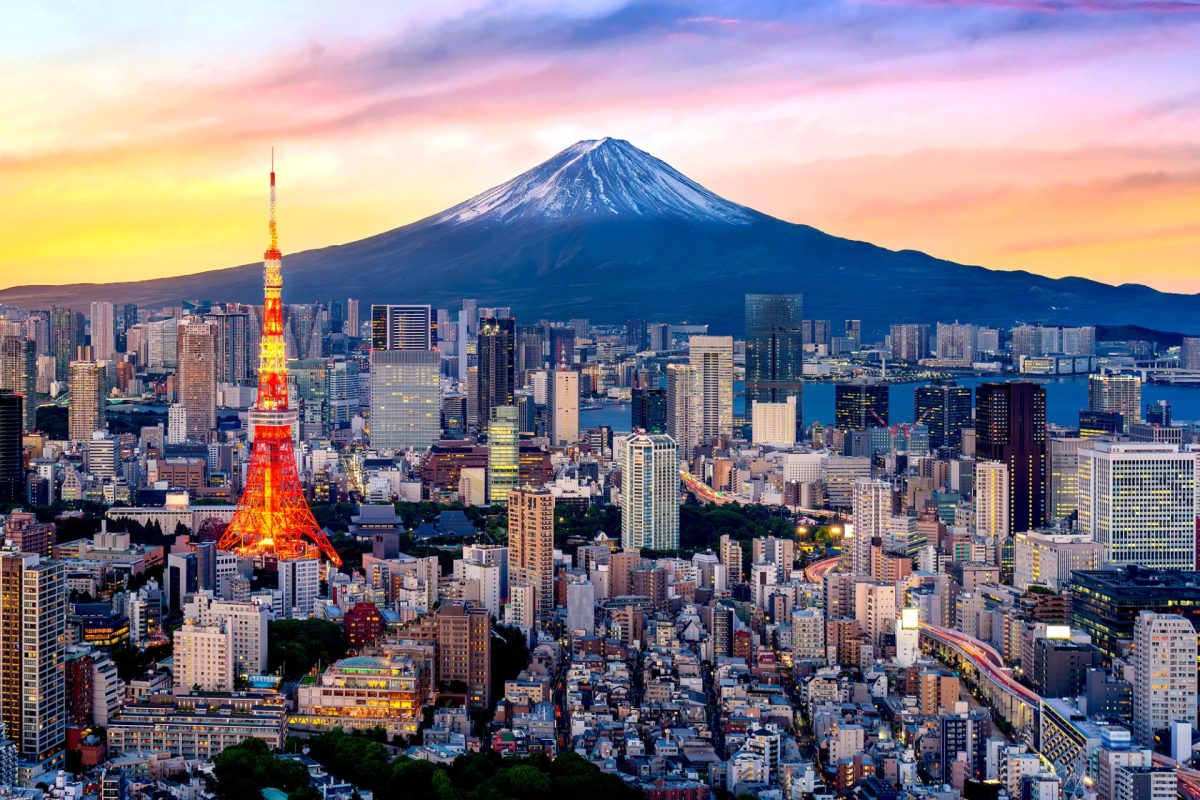
If you are a regional marketing lead in Singapore weighing where to host your next APAC conference, the choice between Tokyo and Singapore is rarely abstract. The decision usually arrives bundled with a tight calendar, an executive sponsor’s preferences, a budget you suspect is too low, and a quiet hope that someone will lay out the trade-offs without spin.
This article is that lay-out. It is written from Tokyo, by a Japan-based production company that has produced large-scale conferences, brand summits, and hybrid forums for both Japanese enterprises and international clients—including projects originating from Singapore, Hong Kong, Taiwan and India. We have no incentive to talk Singapore down; the city is, by any objective measure, one of the strongest conference destinations on the planet. What we do have is an internal view of what Tokyo delivers that Singapore cannot—and where Singapore remains the smarter choice.
Why This Question Matters Now
Three shifts in 2024–2026 have reopened the Tokyo-vs-Singapore conversation for APAC headquarters.
First, Japan’s MICE positioning has actively strengthened. Japan ranked 7th globally in ICCA’s 2024 city-and-country rankings for international association meetings, hosting 428 events, and the government’s New Era Inbound Expansion Action Plan (May 2023 – March 2026) explicitly targets top-5 standing by 2030. The Japan MICE market is projected to reach roughly USD 47.78 billion by 2026, making it one of the largest conference economies in Asia.
Second, Singapore continues to dominate Asia’s leaderboard. Cvent’s 2026 rankings placed Singapore at #1 Top Meeting Destination in Asia Pacific for the eighth consecutive year, ahead of Bangkok, Sydney, and Tokyo (which holds 4th in the same ranking). ICCA’s most recent data places Singapore as #3 worldwide city and the top Asia Pacific meeting city for 22 consecutive years.
Third, the macro context favors a re-evaluation. A historically weak yen against the Singapore dollar has reset the relative cost equation. Hybrid event experience built up between 2020–2023 has standardized in both cities. And experiential differentiation—the depth, story, and feeling an event delivers—has moved up the CMO agenda, particularly for brands fighting for share of attention in a crowded APAC calendar.
In short: both cities have advanced. The right question is no longer “which is the better MICE city?” It is “which city better serves this specific conference?”
The Honest Headline: Both Cities Win, but for Different Reasons
If you only read one paragraph, read this one.
Singapore wins by default for regional connectivity, ease of execution, and English-native operations. It is the rational choice when your priority is APAC reach, predictable logistics, and the lowest possible operational friction. If your conference is “Asia HQ for a global brand, year three of an annual cadence, 600 attendees from 12 markets,” Singapore is almost always the safer call.
Tokyo wins by design for narrative impact, depth of experience, and brand differentiation. It is the rational choice when your conference is doing strategic work for the brand—a flagship, a launch, an anniversary, a moment your audience is meant to remember years later. If your conference is “the one that has to feel different,” Tokyo wins on outcomes, even when Singapore wins on spreadsheets.
The rest of this article unpacks why.
Round 1: Access and Logistics
Singapore
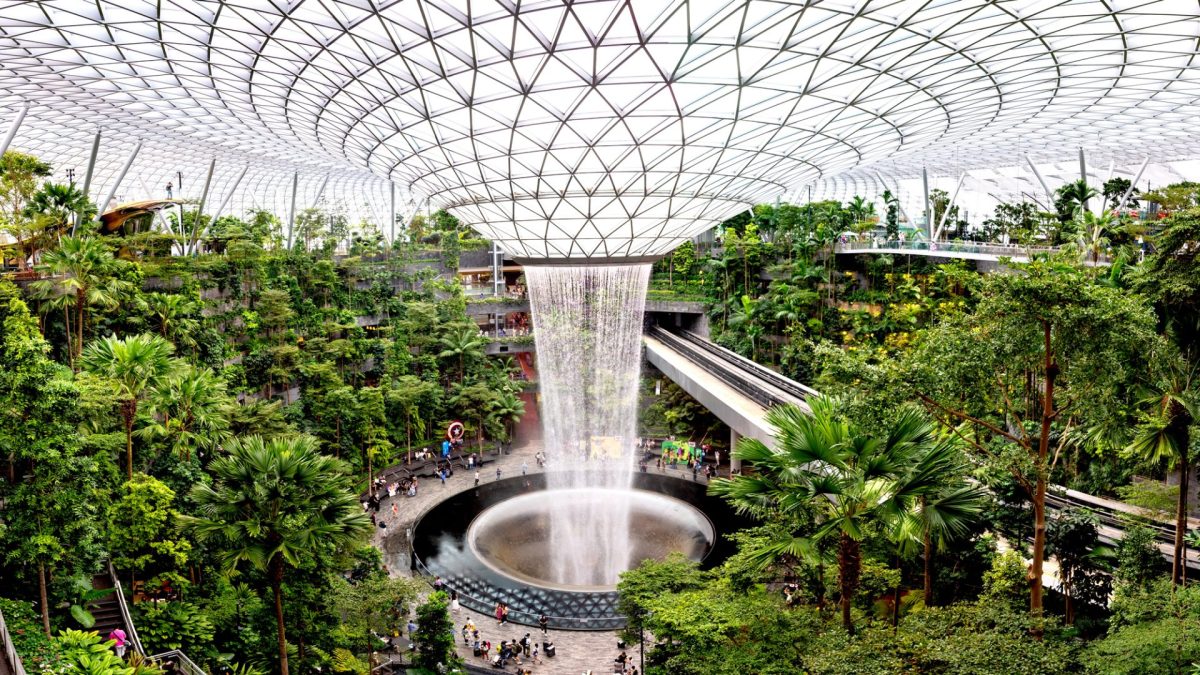
Changi Airport remains the operational gold standard in Asia—immigration speed, baggage handling, ground transport integration, and direct connectivity to 150+ destinations. Most APAC delegates arrive within a 4–7 hour flight. English is the working language across immigration, transport, hotels, and venues.
Tokyo
Tokyo offers two international gateways—Narita (NRT) and Haneda (HND). Haneda’s central-city access (≈30 minutes to Shinagawa or central Tokyo) is meaningfully faster than Narita’s (60–90 minutes). For most APAC delegates, flight time is similar or slightly longer than Singapore. English operability at airports, hotels in central wards (Shinjuku, Shibuya, Marunouchi, Roppongi, Ginza), and major venues is solid—but layered services, taxi conversations, and venue back-of-house are still primarily Japanese.
The honest read
For pure ease of international arrival, Singapore wins. This advantage compresses when delegates are mostly from East Asia (Korea, China, Taiwan, Hong Kong, Vietnam, Thailand, and increasingly India)—Tokyo is competitive or favorable on flight time from those origins.
If your delegate base is heavily Southeast Asian, Singapore wins on travel ease. If your delegate base is heavily East Asian or includes a meaningful North American contingent, the gap narrows.
Round 2: Venues and Capacity — The Unique Venue Advantage
This is the round where the comparison becomes structural rather than competitive—and where most general comparison articles get it wrong. The standard framing pits “Singapore’s Marina Bay Sands” against “Tokyo’s Tokyo Big Sight” and concludes that both cities offer world-class infrastructure. That framing is correct as far as it goes, but it stops at exactly the layer that determines whether your conference becomes memorable.
Tokyo’s real venue advantage is not its largest halls. It is the three-tier inventory beneath them.
Singapore: Infrastructure-Led, Consistent, Modern
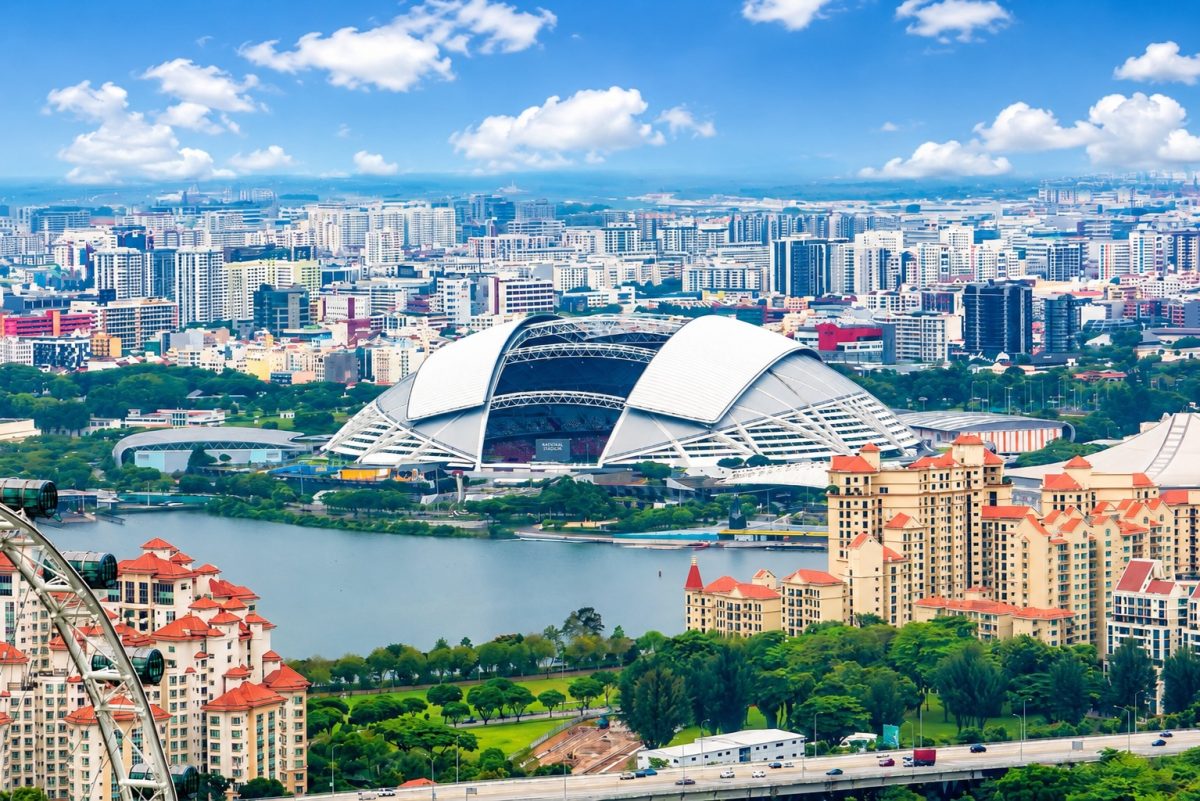
Singapore’s flagship venues—Marina Bay Sands Expo & Convention Centre, Suntec Singapore Convention & Exhibition Centre, Sands Expo, and the Singapore EXPO—deliver a coherent, modern, large-format conference experience. The product is consistent: large divisible halls, integrated AV infrastructure, attached hotels, and predictable service standards. Most Singapore venue inventory was built within the last 30–40 years, designed specifically for MICE, and continues to be upgraded (Suntec’s 2023 HybriDome facility being a recent example).
Beyond the headliners, Singapore offers credible secondary venues—Gardens by the Bay’s Flower Dome for receptions, Resorts World Sentosa, Capella Singapore, and a growing layer of design-forward boutique spaces. But the architectural and historical depth of the inventory is, by necessity, limited—the city itself is 60 years old as a sovereign nation, and its venue catalog reflects that timeline.
Tokyo: A Three-Tier Inventory That Has No Singapore Parallel
Tokyo’s venue inventory is structurally different—and the difference compounds as you move from large-format conferences toward experiential and brand-defining events. We see this play out across our 200+ events produced annually at GLOBAL PRODUCE, where venue choice is increasingly the single most consequential decision after concept.
Tier 1 — Large-Format Convention Infrastructure
The headliners include Tokyo Big Sight (Japan’s largest exhibition complex, 95,000+ m² of exhibition halls), Makuhari Messe (Chiba, 75,000+ m² combined), Tokyo International Forum (a glass-and-steel architectural landmark with multiple halls including the 5,000-seat Hall A), and Pacifico Yokohama (a 20-minute train ride south of central Tokyo). New large-format venues continue to open: K-Arena Yokohama (opened September 2023, capacity 20,033) is now one of the world’s largest dedicated music arenas, and Toyota Arena Tokyo (Aomi, Odaiba) opened in late 2025 with a 10,000-person capacity.
At this tier, Singapore and Tokyo are genuine peers. For a 5,000-seat plenary, both cities have multiple credible options.
Tier 2 — Premium Hotel Ballrooms and Modern Halls
Tokyo’s second tier is anchored by hotel ballrooms across The Peninsula, The Ritz-Carlton Tokyo, Mandarin Oriental, Palace Hotel, Conrad, Four Seasons, and Hotel Chinzanso Tokyo (a famously garden-integrated property with 1,350 m² banquet capacity for 2,000 people). The Grand Ginza, TOKYO NODE (a 10,000 m² new-build atop the Toranomon Hills tower opened in 2023), Hikarie Hall in Shibuya (1,000 m², capacity 1,004), and Shibuya Stream Hall add modern flexibility immediately above Shibuya Station.
Singapore’s second tier exists and is excellent. But the next paragraph—Tier 3—is where the comparison stops being a comparison.
Tier 3 — The Unique Venues Singapore Structurally Cannot Match
Tokyo’s third tier consists of culturally distinctive venues that are operationally accessible to international corporate events through capable local partners. Categories include:
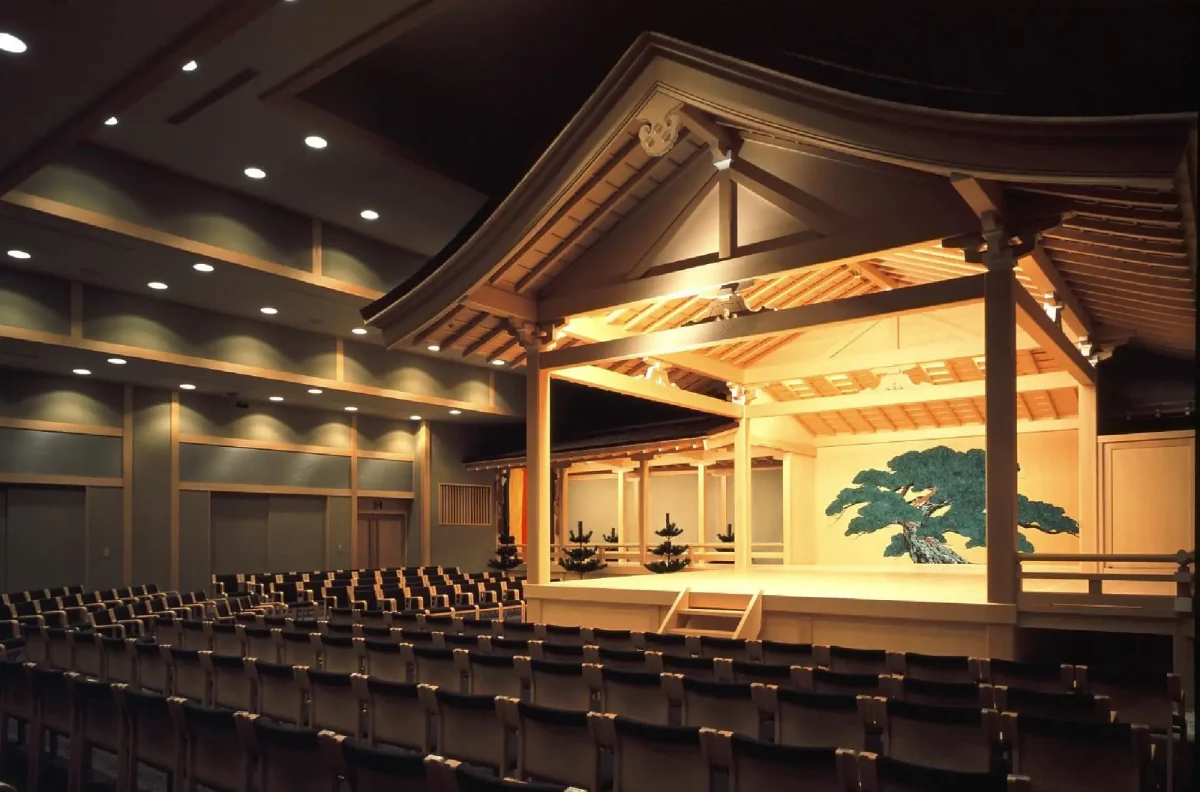
- Noh theaters integrated into modern infrastructure (Cerulean Tower Noh Theatre in Shibuya, with a hinoki-bark-roofed main stage inside a high-rise; Kanze Nougakudou in Ginza; Yamamoto Nougakudou in Osaka, a Registered Tangible Cultural Property of Japan)
- National guesthouses with state-protocol pedigree (Osaka Geihinkan — the Former Guest House selected for the G20 Osaka Summit dinner in 2019; Geihinkan in Suita, built for Emperor Showa to welcome guests at the 1970 Osaka Expo)
- Sumo halls converted into immersive live performance venues (THE SUMO HALL HIRAKUZA OSAKA and THE SUMO LIVE RESTAURANT HIRAKUZA GINZA TOKYO — both feature life-sized dohyō stages with concert-grade sound, lighting, and large LED display systems)
- Museum hotels and cultural-property buildings (HOTEL GAJOEN TOKYO — a “museum hotel” filled with traditional Japanese art and crafts; Funatsuru Kyoto Kamogawa Resort — a Registered Tangible Cultural Property of Japan with a 150-year history)
- “Floating ryōtei” yakatabune (Yakatabune HARUMIYA on Tokyo Bay — a high-class Japanese-style restaurant on water, accommodating up to 136 guests for private events)
- Architect-signed contemporary spaces (The Hillside Kobe — an early work by Tadao Ando; RAISE in Ginza — a 27-meter ceiling-height venue overlooking the Ginza skyline)
“Unique venues” in Japan are not novelty items added on top of a standard venue list. They are a category Tokyo operates structurally, with hundreds of viable options curated for international corporate use—what GLOBAL PRODUCE’s own network classifies as one of the deepest unique-venue inventories in Asia.
For the full curated inventory we deploy across client projects—spanning Tokyo, Kyoto, Osaka, regional Japan, and select international locations—see our Venue catalog, which lists 100+ vetted spaces searchable by region, capacity, and event type.
Venue Inventory at a Glance
| Tier | Singapore | Tokyo |
|---|---|---|
| Tier 1 Large-format | Marina Bay Sands Expo, Suntec, Sands Expo, Singapore EXPO | Tokyo Big Sight, Makuhari Messe, Tokyo International Forum, Pacifico Yokohama, K-Arena Yokohama |
| Tier 2 Premium ballrooms / modern halls | Marina Bay Sands ballrooms, Capella, Raffles, Conrad Centennial, Shangri-La | The Peninsula, Ritz-Carlton, Mandarin Oriental, Palace, Conrad, Four Seasons, Hotel Chinzanso, TOKYO NODE, Hikarie Hall, The Grand Ginza |
| Tier 3 Unique / cultural / heritage | Gardens by the Bay (Flower Dome), Resorts World Sentosa, ArtScience Museum (limited) | Noh theaters, Edo-period feudal lord gardens, Sumo halls, state guesthouses (G20-tier), museum hotels, Tadao Ando architecture, yakatabune, ryotei — 100+ vetted spaces |
The honest read
For pure large-capacity exhibition + conference (5,000+ attendees in a single hall), Singapore wins on consistency. For everything else—mid-scale conferences (200–2,000 attendees) where the venue itself is part of the brand story, executive programs, gala dinners, milestone anniversaries, and any event where attendee memory of the space is a measurable outcome—Tokyo wins on a margin that is not close.
A conference held in Tokyo International Forum’s Hall A reads differently from the same event at Suntec. Both work; they signal different things. The difference between a Marina Bay Sands ballroom dinner and a Hotel Chinzanso garden dinner is not a matter of preference—it is a matter of which one your CEO’s welcome remarks will reference unprompted three months later.
Spotlight: Inside Tokyo’s Unique Venue Ecosystem (Named Examples)
To make the Tier 3 advantage concrete, here are six examples from our network that illustrate the structural depth Singapore cannot replicate. Each operates as a functional corporate venue with full production capability—AV, staging, lighting, F&B, and bilingual operations—not as a one-off novelty.
1. Cerulean Tower Noh Theatre — Working Noh stage inside a Shibuya skyscraper
A traditional Noh theater with a hinoki-bark-roofed main stage and 201 seats, housed inside a high-rise hotel adjacent to Shibuya Station. The combination of authentic traditional architecture, contemporary urban access, and full production integration creates a venue category that does not exist outside Japan—not in Singapore, not in Bangkok, not anywhere.
2. Osaka Geihinkan (Former Guest House) — G20 Summit-grade pedigree
Selected as the venue for the G20 Osaka Summit dinner in 2019. A 190 m² guesthouse in central Osaka with state-level operational discipline, suitable for top-tier executive programs of up to 120 guests. The reputational signal of “the room where the G20 dined” is, in our experience, a more durable brand asset than any modern venue alternative.
3. THE SUMO LIVE RESTAURANT HIRAKUZA GINZA TOKYO — Immersive sumo entertainment venue
A 600 m² Ginza venue centered on a life-sized sumo dohyō stage, supported by three large video screens, concert-grade speakers, and dynamic lighting. Capacity approximately 150 guests. Used for product launches and brand events where Japanese cultural identity is meant to be the experiential anchor rather than a backdrop decoration.
4. TOKYO NODE — A 10,000 m² next-generation cultural hub
Opened in 2023 atop the Toranomon Hills Station Tower, TOKYO NODE integrates a hall, gallery, restaurant, rooftop garden, and laboratory across approximately 10,000 m². The 460 m² main hall accommodates 338 guests in a configuration that has rapidly become a preferred Tokyo venue for design-led brand events.
5. Yakatabune HARUMIYA — A “floating ryōtei” on Tokyo Bay
A chartered yakatabune (Japanese-style pleasure boat) operating as a high-class Japanese restaurant on Tokyo Bay. 86 m² with capacity for 136 guests in private charter. Used for VIP welcome dinners and executive receptions where Tokyo’s skyline functions as the venue’s wall.
Each of these venues exists not as a novelty but as part of an active corporate-event inventory. None of them have a structural equivalent in Singapore.
Beyond these six, our curated venue network includes 100+ additional vetted spaces—including Heian Jingu Kaikan in Kyoto (adjacent to a designated National Scenic Beauty garden), Hotel Gajoen Tokyo, Akagane Resort Kyoto Higashiyama 1925, Minamiza Theatre (Kyoto, 400+ years of performing-arts history), and historic Western-architecture properties such as KOBE KITANO IJINKAN and The Conder House in Nagoya. The catalog is searchable by region, capacity, and event type, and is the inventory we deploy across more than 200 events annually.
Round 3: Cost Structure
This is the round most affected by 2024–2026 macro conditions. The yen’s relative weakness against major regional currencies has meaningfully changed the comparison, but cost is also the easiest category to misread if you compare only room rental rather than the full event-ready budget.
For corporate conferences, the meaningful number is rarely the venue line alone. It is the combined cost of venue, F&B, AV, staging, technical crew, interpretation, registration, rehearsals, speaker support, content production, hospitality, and contingency. A meeting room may be inexpensive; a conference that feels premium is not.
The figures below should therefore be treated as planning benchmarks, not fixed quotes. Actual budgets vary significantly by season, venue tier, guest count, production ambition, exchange rate, and how much of the experience is built in-house versus produced externally.
Singapore: order-of-magnitude benchmarks (2026)
Singapore is efficient, transparent, and package-friendly. For straightforward meetings and seminars, published packages can start at relatively accessible levels. For example, Suntec Singapore’s full-day all-inclusive meeting packages start from S$78.88++ per guest, including room rental, AV equipment, and F&B requirements. For large conference formats, Singapore EXPO, Suntec, Marina Bay Sands, and similar venues typically quote based on a combination of space, F&B minimums, technical scope, and event duration.
For a serious corporate conference, however, the more useful planning range is higher:
| Event type in Singapore | Planning benchmark |
|---|---|
| Small executive meeting / seminar | S$5,000–S$25,000+ |
| Mid-scale corporate conference, 150–300 pax | S$40,000–S$150,000+ |
| Large APAC conference, 500–800 pax | S$180,000–S$500,000+ |
| Flagship conference with premium AV, staging, branding, and evening program | S$500,000–S$1M+ |
Singapore’s cost advantage is strongest when the event is operationally straightforward: a standard plenary, breakout rooms, hotel-style F&B, reliable AV, and limited custom production. The city is built for this. You can assemble a clean, professional, English-native conference with fewer hidden coordination costs than in many other APAC cities.
Where Singapore becomes expensive is not basic logistics, but premiumization: large-format LED, custom scenic design, high-spec broadcast, brand installations, celebrity speakers, private evening venues, and complex hospitality. In other words, once the conference moves from “efficient regional meeting” to “brand-defining experience,” the cost curve rises quickly.
Tokyo: order-of-magnitude benchmarks (2026)
Tokyo’s cost structure is less package-driven and more project-built. A hotel ballroom, a modern hall, a Noh theatre, a state guesthouse, and a cultural-property venue each price very differently, and the final estimate is usually assembled from venue rental, F&B, production, rehearsals, staffing, interpretation, technical planning, and logistics.
Premium Tokyo hotel ballrooms and modern halls can easily move beyond simple room-rental logic once F&B, service charge, consumption tax, AV, staging, interpretation, and production management are included. In Japan, base rates often exclude service charge and consumption tax, which can add roughly 20–30% on top of quoted figures before additional production scope is considered.
For planning purposes, a more realistic conference-level range is:
The honest read
Headline venue rates can favor Tokyo when measured in the client’s home currency, particularly for clients invoicing in SGD, USD, or EUR. However, total production cost (venue + AV + staffing + interpretation + content) often equalizes once full scope is included, because Japan’s precision-driven production tends to invest more hours in pre-event preparation than the Singapore baseline.
| Event type in Tokyo | Planning benchmark |
|---|---|
| Small executive meeting / seminar | ¥1M–¥5M+ |
| Mid-scale corporate conference, 150–300 pax | ¥8M–¥30M+ |
| Large APAC conference, 500–800 pax | ¥35M–¥100M+ |
| Flagship conference with unique venue, premium staging, bilingual production, and hospitality | ¥100M–¥200M+ |
For Tier 3 unique venues, the cost equation is even less comparable to Singapore because the venue itself becomes part of the experience. A Noh theatre, heritage garden, sumo hall, museum hotel, or state guesthouse is not simply a room to rent. It often requires bespoke production planning, special permissions, tighter load-in and load-out windows, more detailed technical documentation, and additional bilingual coordination. These costs are real—but they are also part of what makes the event memorable.
This is why Tokyo can feel both cost-competitive and expensive depending on what you are measuring. If you compare basic meeting rooms, Tokyo is not always cheaper. If you compare premium experiences where the venue carries the story, Tokyo often delivers more strategic value per dollar because the cultural and spatial differentiation is built into the destination itself.
The honest read
Singapore is usually easier to budget. Tokyo is usually more variable.
Singapore tends to win when your goal is cost predictability: a clean APAC conference, efficient delegate movement, English-native execution, and a comparatively standardized venue-and-F&B package. It is the safer budgeting environment, especially for recurring regional meetings.
Tokyo becomes compelling when the budget is measured against memory, brand impact, and post-event story value. At equivalent production quality, Tokyo is not necessarily “cheap.” It is better described as high-value at the premium end, especially when the brief requires a venue or experience that Singapore cannot structurally replicate.
The practical budgeting lesson is this:
- If you are optimizing for the lowest operational friction and a predictable per-attendee cost, Singapore usually wins.
- If you are optimizing for a flagship experience, premium storytelling, and venue-driven differentiation, Tokyo often justifies the additional planning complexity.
- If you are comparing only venue rental, you are probably comparing the wrong number.
For most serious APAC conferences, the real decision is not “Which city is cheaper?”
It is: Which city gives the event budget a stronger reason to exist?
In many cases, Singapore gives you efficiency. Tokyo gives you meaning. The right choice depends on which one your conference needs more.
Round 4: Talent, Production, and Bilingual Operations
Singapore
Singapore’s production ecosystem is mature, English-native, and dense. Global agencies, regional production specialists, and freelance talent are abundant. The “command and execute” rhythm matches Western HQ expectations. Vendor turnaround is fast; written documentation is moderate; the bias is toward agile decision-making.
Tokyo
Tokyo’s production ecosystem is also mature and dense, but operates on a different rhythm. The bias is toward preparation and documentation—deeper pre-event walkthroughs, more detailed run-of-show documents, and more rehearsal investment. The result is on-site events that run with notably high precision but require more upfront time from the client team.
This preparation discipline matters disproportionately in Tier 3 unique venues. A heritage property, a Noh theater, or a feudal-era garden imposes strict operational constraints—load-in windows measured in minutes, fire and rigging restrictions, noise considerations near residential or religious neighbors. The venues that look most striking in photographs are the ones that require the most sophisticated production planning. The right Japanese partner absorbs that complexity invisibly; the wrong one surfaces it during your event. This is why partner choice carries more weight in Tokyo than in Singapore, and why a venue catalog without an operations team behind it is meaningless. Our 200+ events annually include a significant share of unique-venue productions specifically because this is where the partnership value is concentrated.
Bilingual operations have evolved. Tier-1 Japanese production companies now field dedicated English-speaking producers as the single point of contact for international clients, handling all Japanese-language coordination internally. The friction that historically existed at the language interface has largely been engineered out by capable partners—but it depends entirely on partner choice.
The honest read
For speed and verbal-decision-making cadence, Singapore wins. For on-site precision and the lowest probability of operational surprises during the event itself, Tokyo wins. Choose Singapore if your team is small, decisions are made in meetings, and you want to compress the planning timeline. Choose Tokyo if your team can invest in pre-event documentation and you want zero on-the-day improvisation.
Round 5: Cultural and Experiential Differentiation
This is the round where the comparison becomes unbalanced—not because Singapore lacks culture, but because the deployment of culture into event experience operates at different depths.
Singapore offers efficient access to a multicultural identity—hawker food, Peranakan heritage, Gardens by the Bay, the river district, multilingual urban texture. These are excellent supporting elements for a conference, particularly for delegate evening programs.
Tokyo offers the same supporting-element layer, plus a deeper register: Noh theater performances in venues like Cerulean Tower Noh Theatre that double as event spaces; private dinners in feudal-era gardens like HAMA-RIKYU; receptions inside Tadao Ando architecture; kaiseki cuisine integrated into reception design; master artisans available for live demonstrations; four distinct seasons that change the meaning of the same venue; and Kyoto—a 2 hour 15 minute shinkansen ride south—operating as a complementary “deep culture” destination accessible within the same itinerary, with venues like Heian Jingu Kaikan, Funatsuru Kyoto Kamogawa Resort, and Minamiza Theatre (400+ years of theatrical history) available for executive segments.
The practical question is not “which city has more culture?”—it is “how much of that cultural depth is operationally accessible to your event?”
A conference held in Tokyo with two well-designed off-program experiences (a Kyoto day trip, a temple-hosted gala, a Noh-theater welcome ceremony) creates memories that compound into post-event social and earned media exposure in a way that no Singapore conference has structurally available.
This is the territory where Japan-based production partners with deep local relationships make the largest visible difference. For a deeper look at this register, see our guide Business Events in Japan: The Complete Guide to Hosting.
The honest read
For brands where “the experience is the brand,” Tokyo wins decisively on differentiation. For brands optimizing for efficient APAC reach where the venue is a backdrop rather than a co-protagonist, Singapore wins on operational sense.
Round 6: Risk, Reliability, and Reputation
Both cities are top-tier on the fundamentals: political stability, personal safety, public health infrastructure, low crime, reliable utilities, and well-developed contingency planning around weather and natural events.
Singapore’s risk profile is slightly cleaner on weather (no typhoon season, no earthquake exposure, year-round climate predictability). Tokyo’s risk profile is well-managed but includes typhoon-season considerations (late August to mid-October) and earthquake preparedness—both of which professional Japanese production companies build into contingency plans as a matter of course.
Reputation-wise, both cities are recognized: Singapore is the global default for “Asia is easy”; Tokyo is the global default for “Japan is exceptional.” Neither carries a reputational discount.
Decision Framework: Which One Fits Your Conference?
| If your priority is… | Lean toward |
|---|---|
| Maximum APAC reach with minimum logistical friction | Singapore |
| Predictable, English-native, fast-decision execution | Singapore |
| Lowest-bar entry pricing on smaller venues | Singapore |
| Year-round weather predictability | Singapore |
| A flagship event where the venue is part of the story | Tokyo |
| Access to unique/cultural/heritage venues with no Singapore equivalent | Tokyo |
| Deep cultural integration into the attendee experience | Tokyo |
| Maximum on-site execution precision | Tokyo |
| Brand differentiation in a crowded annual calendar | Tokyo |
| Long-shadow PR and social media amplification post-event | Tokyo |
| Premium experience-per-dollar in current macro context | Tokyo |
This is not a tiebreaker scorecard—it is a sorting tool. Most real conferences need 3–4 of these priorities, not all 11. The exercise is to identify which 3–4 your conference actually optimizes for, then choose the city that wins those specifically.
How Companies Are Actually Using Both
A pattern we increasingly see, particularly among multinational headquarters in Singapore:
A two-city rotation strategy. Year one: Singapore (efficient, reliable, reach-optimized). Year two: Tokyo (differentiated, narrative, experience-led). Year three: back to Singapore. The internal narrative is “we vary the experience to keep the audience curious”; the operational narrative is “we optimize each year for what that year’s conference needs to do.”
Hybrid distribution. The main conference in Singapore for reach; a satellite “executive summit” or “VIP program” in Tokyo for top-tier customers, partners, or internal leadership. This pattern allows brands to optimize cost-per-attendee in Singapore while still extracting differentiated experience value from Tokyo for the audience segment where it matters most.
For Singapore-headquartered brands, the question is not “Tokyo or Singapore?”—it is increasingly “How do we use both intelligently across our annual calendar?”
Frequently Asked Questions
Q: Is the language barrier actually a real problem in Tokyo today?
A: For delegates, no. English is workable across all major hotels, central-city signage, transportation, and most flagship venues. For event operations—venue back-of-house, vendor coordination, technical crews, hospitality staff—Japanese remains the dominant working language. A capable production partner absorbs this entirely; the headquarters team never needs to encounter it. Without a capable partner, it surfaces immediately. The variable is not the city—it is the partner.
Q: If we choose Tokyo, can the entire planning process be conducted in English?
A: Yes, with the right partner. At GLOBAL PRODUCE, English-speaking producers serve as the single point of contact for international clients across the full project lifecycle. All headquarters-facing communication—creative reviews, budgets, run-of-show, contracts, vendor coordination—happens in English. Japanese-language work happens behind that interface.
Q: How accessible are Tokyo’s “unique venues” for an international corporate event?
A: Far more accessible than most overseas planners assume—with the right local partner. Heritage venues (temples, shrines, feudal-era gardens, traditional theaters, state guesthouses) typically operate through dedicated event-management channels rather than open public booking, and they require navigating documentation, ceremonial protocols, and operational constraints that are not standardized internationally. A Japanese production company with active relationships across these venues can secure them on timelines and terms that are not available to a remote planner. Our active inventory of 100+ vetted venues, listed at our Venue catalog, is the operational backbone of this access.
Q: How much more lead time does Tokyo realistically need compared to Singapore?
A: For a mid-scale conference (300–600 attendees), Singapore can absorb a 4-month lead time without major compromise. Tokyo benefits from 6 months; flagship events using Tier 3 unique venues benefit from 9–12 months. The Tokyo timeline advantage compounds in venue selection (unique venues book out faster) and rehearsal investment (the source of on-site precision).
Q: What about hybrid/online conferences—does the choice still matter?
A: Yes, possibly more. For the in-person component of a hybrid conference, Tokyo’s production discipline tends to deliver a more visually distinctive backdrop and a tighter on-stage execution—both of which materially affect the online viewing experience. For a recent example, see our case study on the Asahi World Forum, where ~1,300 in-person delegates and a parallel online audience were served by a single integrated production design.
Q: We’re a Singapore-headquartered brand. Will our internal stakeholders question a Tokyo decision?
A: Often, yes—the default question is “why not Singapore?” The defensible answer is rarely about cost (the economics are close) and rarely about logistics (both are excellent). The defensible answer is about outcome: what the conference needs to do for the brand, and which city is better engineered to deliver that outcome. When the answer involves brand differentiation, post-event memory, or VIP-segment programming, the Tier 3 unique-venue inventory in Tokyo usually closes the conversation. Tier 3 is not a tiebreaker—it is the deciding line.
Q: Can we visit shortlisted Tokyo venues before committing?
A: Yes, and we strongly recommend it. A site inspection visit, typically 2–3 days in Tokyo with shortlisted venue walkthroughs (often combining Tier 1 conference infrastructure with two or three Tier 3 unique venues), vendor introductions, and a working session with your production partner, materially improves decision quality. Most credible Japanese production companies, including GLOBAL PRODUCE, design and host these visits as part of the pre-engagement process.
Conclusion
The Tokyo-vs-Singapore question is, at its core, a question about what your conference is for.
If the conference is part of an operational rhythm—reach, efficiency, reliable repeat execution—Singapore is the disciplined, defensible choice. The city has earned its #1 Asia Pacific MICE ranking for compelling reasons, and we recommend it without reservation when it fits.
If the conference is meant to do strategic work—to change how attendees feel about the brand, to be remembered years later, to generate the kind of post-event story that compounds across PR, social, and word-of-mouth—Tokyo is the differentiated, defensible choice. And the structural mechanism behind that defensibility is Tokyo’s third-tier venue inventory: the heritage gardens, Noh theaters, state guesthouses, sumo halls, museum hotels, and architect-signed contemporary spaces that have no Singapore equivalent at any price. With a capable Japan-based production partner, that depth becomes operationally accessible without the language and cultural friction that historically deterred international planners.
The most sophisticated APAC brands are no longer choosing between the two cities. They are using both, with intent—matching the venue to what each specific event needs to deliver.
If you are evaluating Tokyo for an upcoming conference and want to walk through the decision against your specific objectives—and through the venue options that fit—our team is available for a discovery conversation. Start with our Venue catalog to see the inventory in detail, or contact us directly. For brands where deep cultural integration and exclusive Japanese venues matter most, our specialized inbound brand DRAGON EVENTS offers a fully bilingual, end-to-end production solution.

SUPERVISED BY

A collective of event production professionals handling the planning, production, and management of over 200 events annually.
From internal gatherings like shareholders' meetings, anniversaries, and award ceremonies to external PR events and exhibitions, we design and deliver optimal communication solutions. Whether in-person, online, or hybrid, we give form to the messages companies wish to convey.