

What Omamori Can Teach Us About Japanese Culture
Visitors to Japan often notice small embroidered pouches attached to backpacks, handbags, or car mirrors. These are omamori—protective amulets sold at Shinto shrines and Buddhist temples throughout the country.
Although often translated as “good luck charms,” omamori represent something deeper. Rather than simply bringing good fortune, they express a wish for another person’s safety, health, and well-being. This tradition offers a unique insight into Japanese values and the importance placed on caring for others
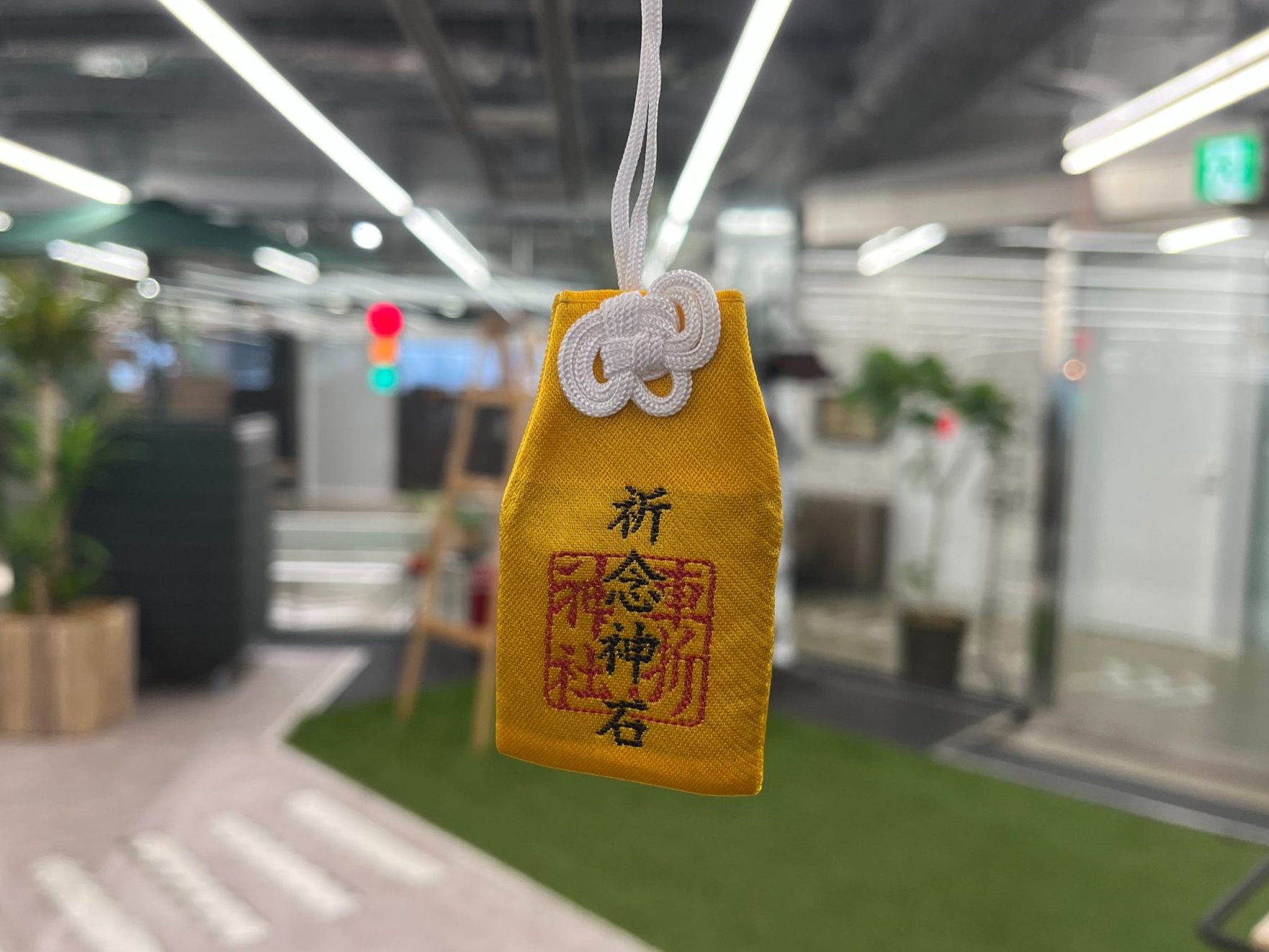
Safety Before Success
Omamori are made for many purposes, including academic achievement, good health, safe travel, and business prosperity. However, one of the most common types is for protection.
Children often receive omamori to attach to their school bags. Drivers keep them in their cars, and travelers carry them before long journeys. During examination season, students may receive one from their parents—not only as a wish for success, but as a reminder to stay healthy and safe throughout the experience.
This reflects an important aspect of Japanese culture. While achievement is valued, many Japanese people believe that a loved one’s safety and well-being come first. Success means little if someone cannot return home safely.
Carried Through Everyday Life
Unlike decorative souvenirs, omamori are designed to be carried every day.
People keep them in their bags, wallets, cars, or briefcases so they remain close during daily life. Their value comes not from being displayed, but from accompanying the person for whom the wish was made.
In this way, an omamori becomes a quiet reminder that someone is thinking of you and hoping for your well-being.
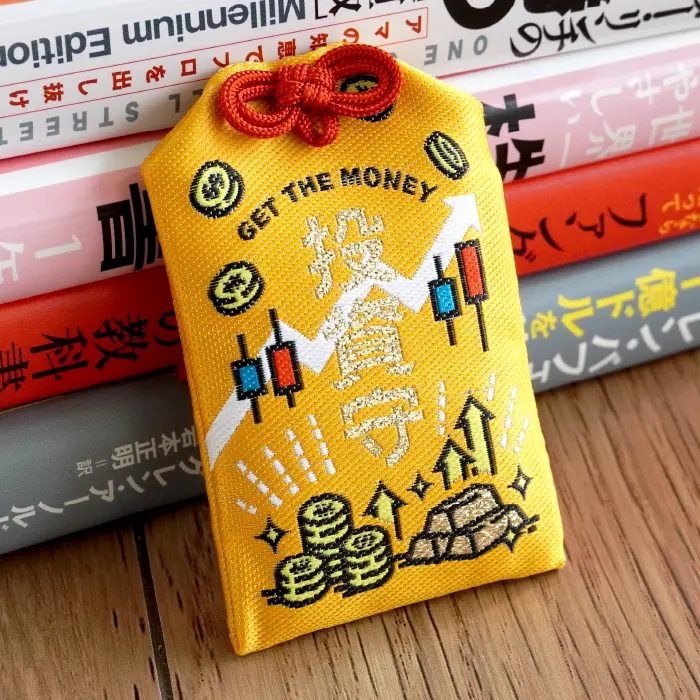
A Gift That Expresses Care
Although people sometimes buy omamori for themselves, they are often given as gifts.
Parents give them to children before important exams. Friends exchange them before overseas travel. Family members offer them before surgery or childbirth.
The significance of an omamori lies not in the object itself, but in the intention behind it. Giving one is a simple way of saying, “I hope you stay safe.”
Returning with Gratitude
Traditionally, an omamori is returned to the shrine or temple after about one year.
This is not because it has “lost its power,” but because returning it is an expression of gratitude. People thank the omamori for the protection and peace of mind it symbolized before receiving a new one for the coming year.
This practice reflects another characteristic of Japanese culture: appreciation is expressed not only toward people, but also toward the objects that accompany our lives.
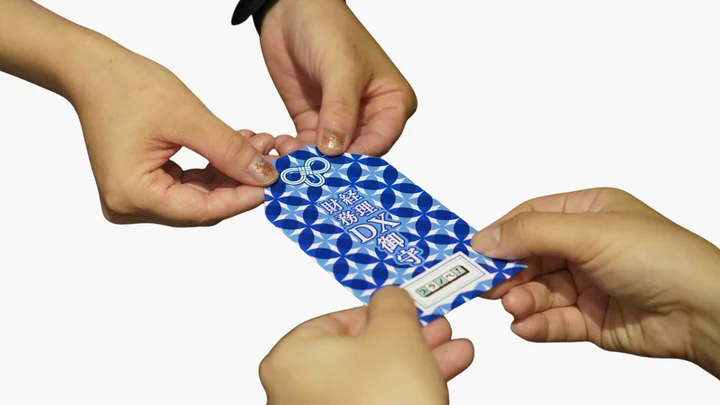
What Omamori Reveal About Japan
To many visitors, an omamori may appear to be a simple lucky charm. In Japan, however, it represents a different way of thinking.
It reminds us that protecting the people we care about can be just as important as celebrating their achievements. It also shows how gratitude and consideration for others can be expressed through small, everyday actions.
For this reason, omamori remain an enduring symbol of Japanese culture—not because of their size or appearance, but because they carry something universal: the hope that someone you care about will always return home safely.

SUPERVISED BY

A collective of event production professionals handling the planning, production, and management of over 200 events annually.
From internal gatherings like shareholders' meetings, anniversaries, and award ceremonies to external PR events and exhibitions, we design and deliver optimal communication solutions. Whether in-person, online, or hybrid, we give form to the messages companies wish to convey.