

Designed to Disappear: Japan’s Landscape-Friendly Convenience Stores
Convenience stores, also so called ‘Konbini’, are among the most recognizable features in Japan. With their bright signs, familiar logos, and twenty-four-hour service, stores such as 7-Eleven, Lawson, and FamilyMart are designed to be noticed immediately.
However, convenience stores are not exactly the same in every part of Japan. In some famous tourist destinations, visitors can discover unusual stores with special signs and colors. These unique convenience stores offer more than convenience—they also become part of the experience of exploring the destination.
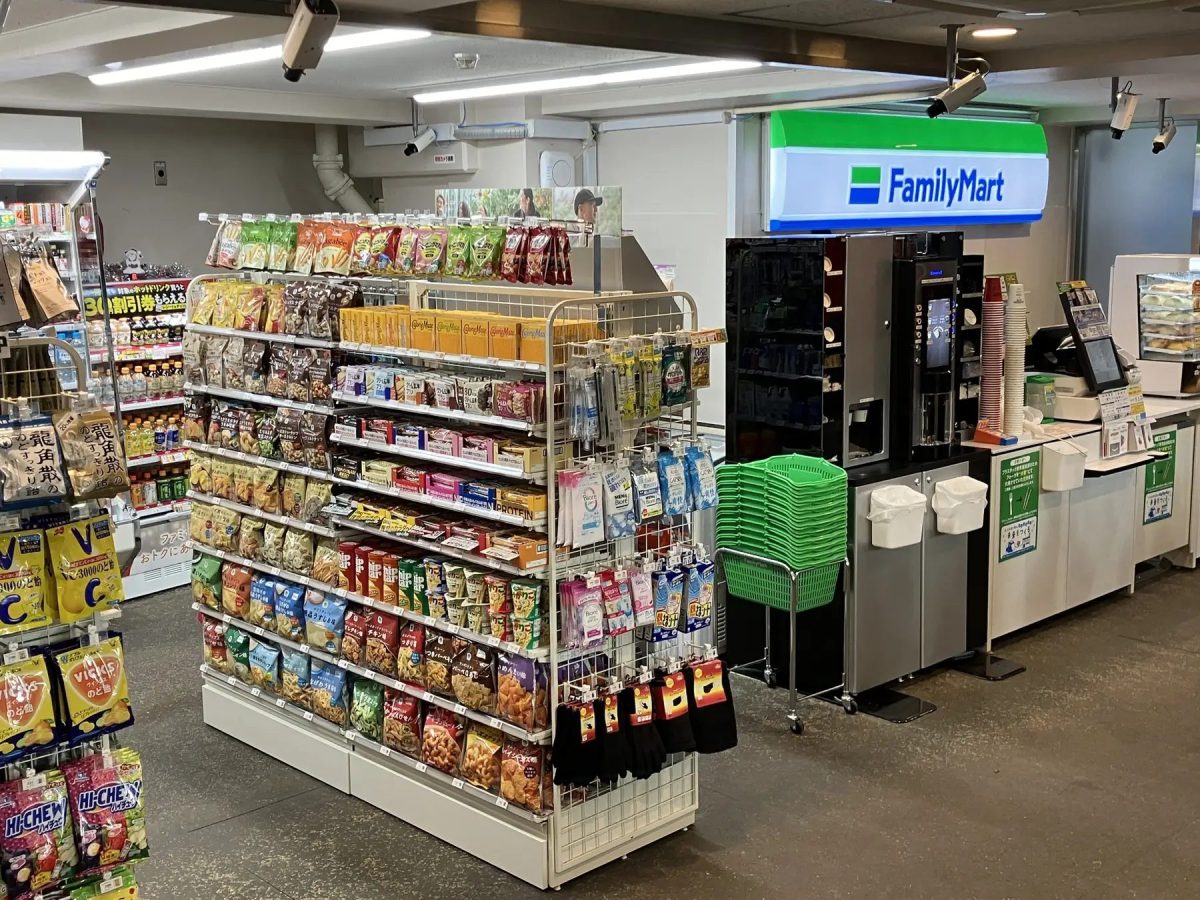
Why do some convenience stores look different?
In historic towns and places near important cultural sites, the bright colors of ordinary convenience-store signs may not match the surrounding landscape. For this reason, some local governments have regulations regarding building exteriors, signboards, lighting, and outdoor advertisements.
Convenience-store therefore adjust their usual designs to suit the character of each area. Their colorful logos may be changed to brown, black, white, or other muted shades. Store exteriors may also use wood, stone, traditional-style walls, or less noticeable lighting.
The purpose is not to hide the store completely. Instead, it is to keep the store recognizable while blend into the surrounding. This allows the convenience store to provide modern services without disturbing the landscape, architecture, or atmosphere that visitors have come to experience.
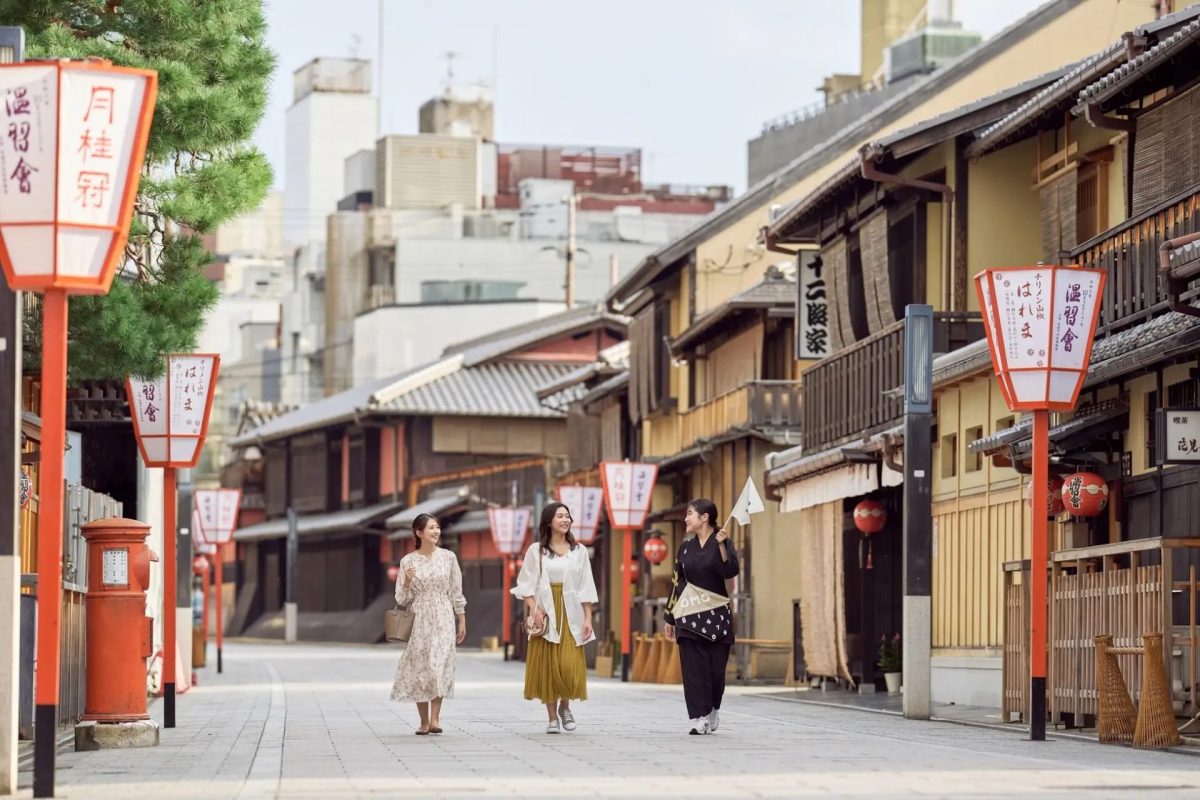
Convenience store in Kyoto
Kyoto is famous for its temples, shrines, and traditional wooden houses.
In some parts of Kyoto, Lawson stores look very different from their standard blue-and-white design. Their signs dyed in brown, white, or wood-like colors that fit more naturally with traditional buildings. Some locations also reduce the size and brightness of their signs.
Mt. Fuji and convenience store
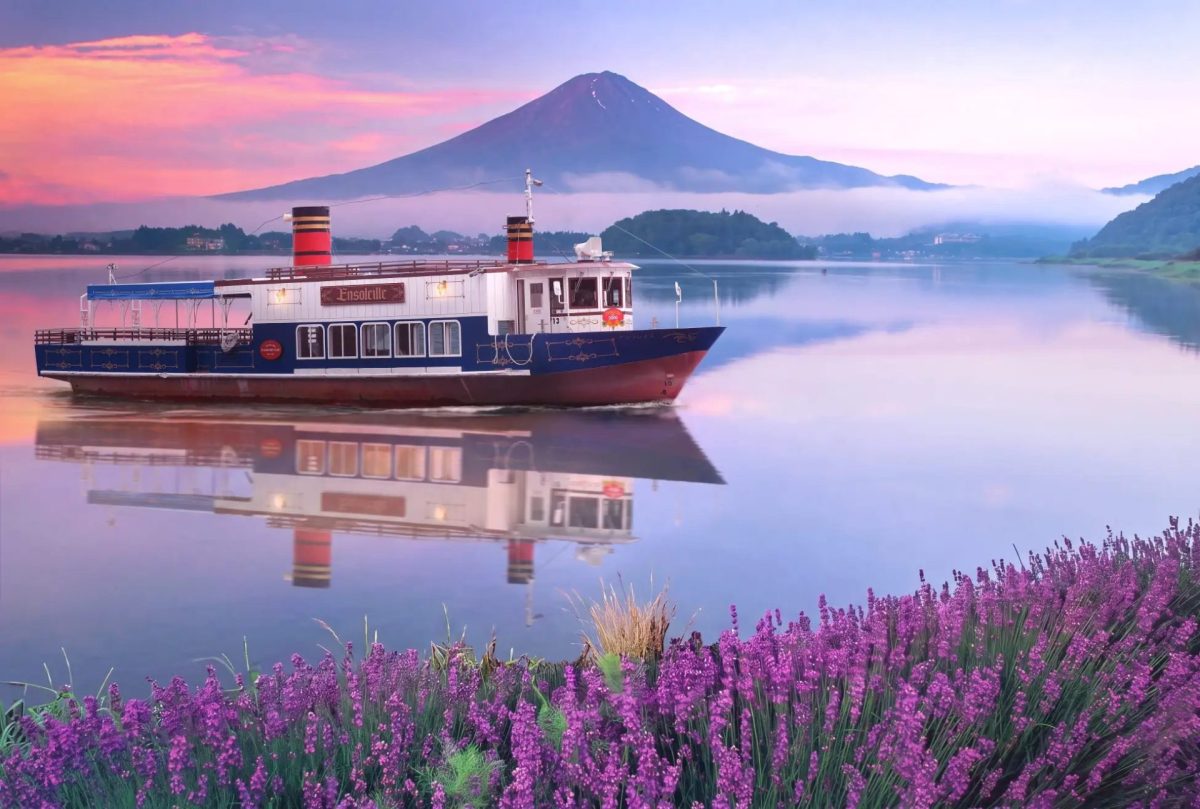
One of Japan’s most famous convenience stores is located in Fujikawaguchiko, Yamanashi Prefecture.
The Lawson store became popular because Mount Fuji appears behind its sign when viewed from a particular angle. Large numbers of tourists began visiting the area specifically to take this picture.
This example is different from the muted stores in Kyoto. Instead of disappearing into the landscape, the Lawson sign became famous because it stood out against it. This case shows that even an everyday building can become part of a tourist experience.
Connection to Japanese Culture and Our Event Production
The design of these convenience stores reflects the Japanese cultural value of harmony, often expressed through the concept of wa. Rather than allowing one element to dominate, different elements are adjusted so that they can exist together. The convenience store does not lose its identity, but it changes its visual expression to respect the character of the surrounding area.
The same idea is important when holding an event in Japan, especially at a unique venue with a strong cultural identity. At GLOBAL PRODUCE, we have produced events at unique venues with a strong Japanese atmosphere. Rather than covering the character of the location, we incorporate it into the event experience through the design, staging, and program. Just like Japan’s landscape-friendly convenience stores, we believe the most memorable events are created when the client’s identity and the venue’s culture exist in harmony.
Summary
Japan’s landscape-friendly convenience stores show how even familiar global brands can adapt to the history, culture, and atmosphere of each destination. By changing their colors and designs, they remain recognizable without taking attention away from the surrounding landscape. This reflects the Japanese value of harmony and offers an important lesson for event production as well. At GLOBAL PRODUCE, we apply the same approach when creating events at unique venues, combining the client’s identity with the character of the location to produce experiences that feel authentic, respectful, and memorable.

SUPERVISED BY

A collective of event production professionals handling the planning, production, and management of over 200 events annually.
From internal gatherings like shareholders' meetings, anniversaries, and award ceremonies to external PR events and exhibitions, we design and deliver optimal communication solutions. Whether in-person, online, or hybrid, we give form to the messages companies wish to convey.