

What Is a Torii Gate? Understanding One of Japan’s Most Iconic Symbols
There is a structure in Japan that almost every visitor recognizes.
Two pillars. Two horizontal beams. No doors, no walls — just an open frame standing quietly in forests, beside lakes, and at the entrance of shrines across the country.
This is the torii gate. And while it may look simple, it carries over a thousand years of history and meaning.
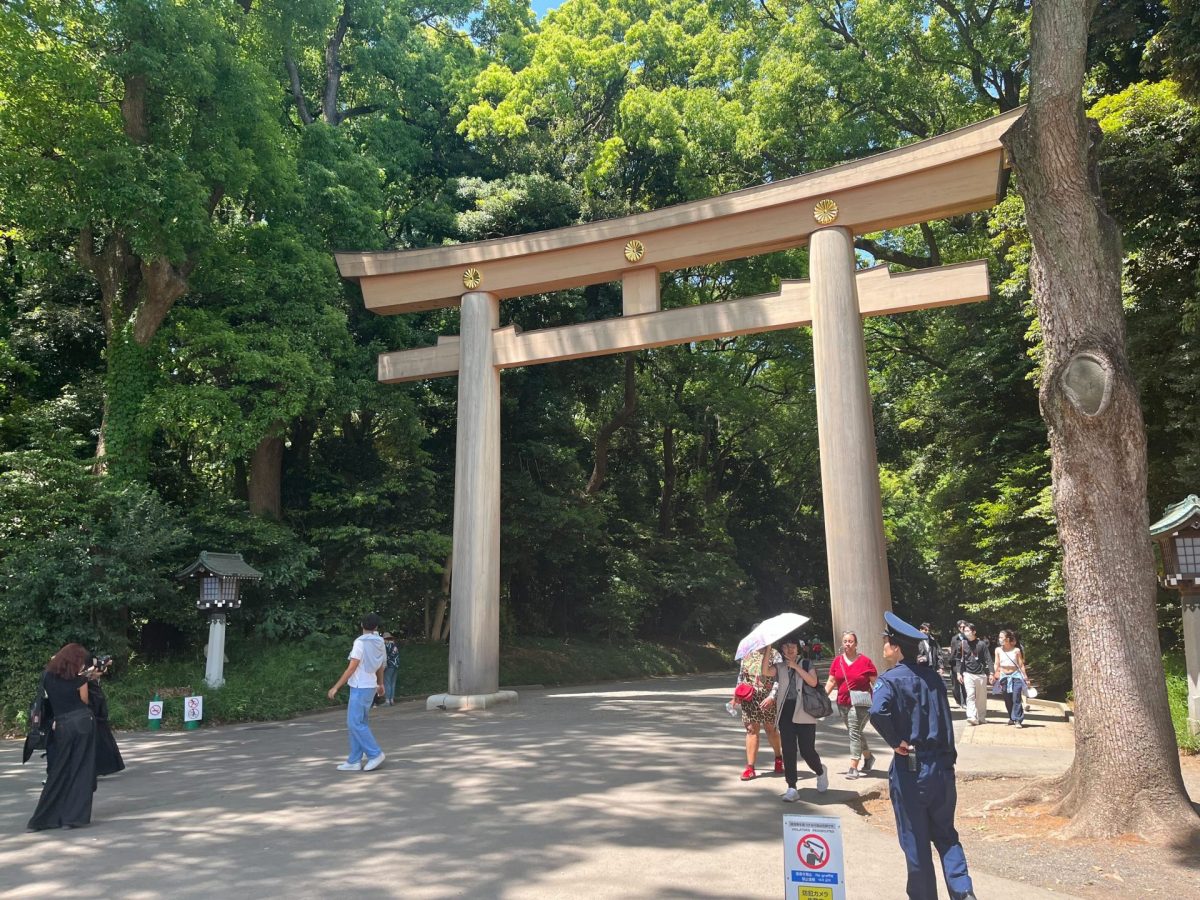
More Than an Entrance
For many international visitors, a torii makes for a beautiful photograph. For Japanese people, it represents something far deeper.
In Japanese spirituality, a torii marks the boundary between two worlds: the ordinary and the sacred. The word torii (鳥居) is often translated as “where birds dwell” — birds have long been considered divine messengers in Japanese belief, and their presence near shrines was seen as a connection between the human world and the divine.
On one side of the gate is everyday life — work, schedules, responsibilities, noise. On the other is a space intentionally set apart for reflection, gratitude, and stillness. Passing through a torii isn’t simply about entering a place. It’s about shifting your state of mind.
A Spectrum of Color and Material
Not all torii gates look the same.
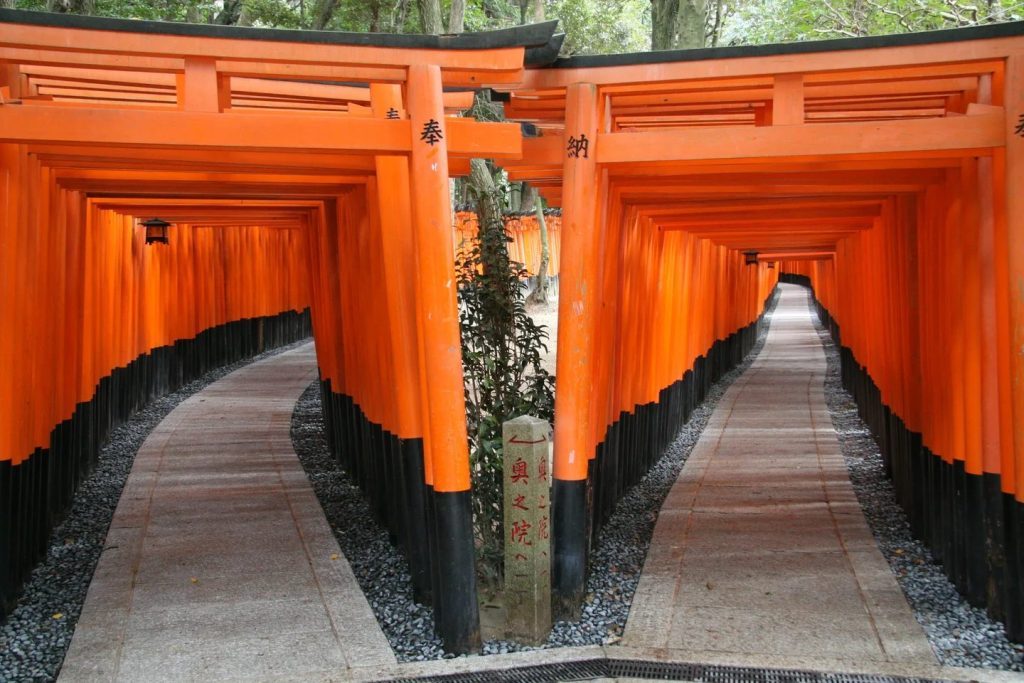
The most familiar image is the vermillion red gate — a color historically associated with vitality, protection against evil, and the boundary between life and death in East Asian culture. You’ll find these dramatic red gates lining the famous pathways at Fushimi Inari Shrine in Kyoto, where thousands of them form a tunnel that stretches deep into the mountain.
But torii come in other forms too. Some are weathered stone, blending naturally into mountainside shrines. Others are made from unpainted wood, preserving a more ancient, austere aesthetic. A few iconic ones even stand in water — most famously the floating torii of Itsukushima Shrine on Miyajima Island, which appears to rise from the sea at high tide, as if marking a gate between the ocean and the sky.
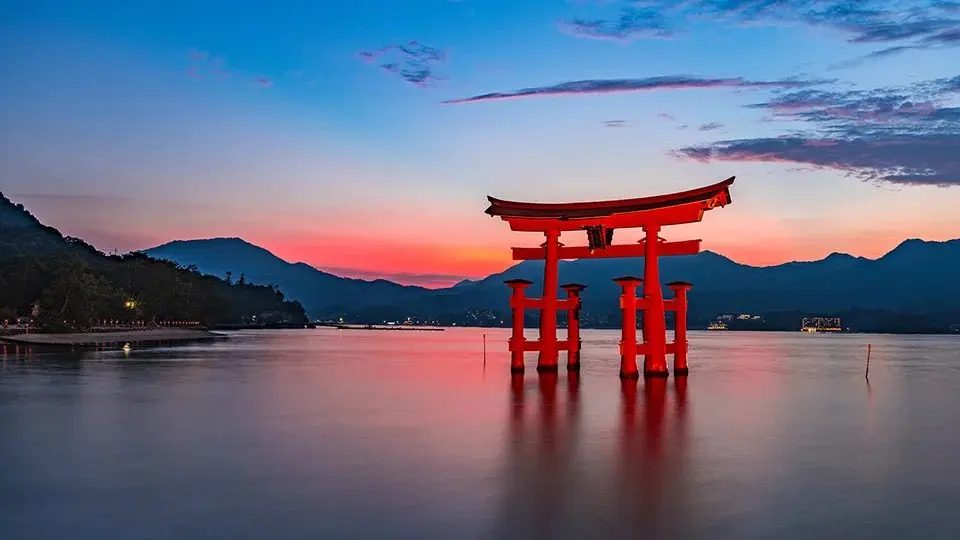
The material and color often reflect the shrine’s history, the deity enshrined within, and the region’s local traditions.
Why Do People Bow Before Entering?
If you visit a shrine in Japan, you’ll likely notice people pause just before stepping through the torii. Then they bow.
Not because someone is watching. Not because it’s required. But because in Japan, respect comes before entry.
This bow — typically one or two gentle inclinations of the head — is a quiet acknowledgment that you are crossing into a space that carries meaning. It’s the same instinct that leads people to lower their voices inside, to move more slowly, to put away their phones. The gate itself invites a different quality of attention.
Why Don’t People Walk in the Center?
Another detail often surprises first-time visitors: many Japanese people avoid the very middle of the path leading through the torii, walking slightly to one side instead.
The reason goes back to an old belief. The center pathway — called sando (参道) — is traditionally considered the path of the gods. To walk directly down the middle would be to place yourself in the same lane as the deity you’ve come to visit.
So visitors make space. Not out of fear, but out of humility and consideration. It’s a small gesture, barely noticeable — but it speaks to something deeply rooted in Japanese culture: the idea that awareness of others, even unseen ones, shapes how you move through the world.
The Many Shrines, The Many Gates
Japan is home to approximately 80,000 Shinto shrines, and nearly all of them are marked by at least one torii. Some shrines have just a single gate at the entrance. Others — like Fushimi Inari — have thousands, donated over centuries by individuals and businesses as offerings of gratitude.
Each gate is a gift. Each one marks a moment when someone wanted to say: something good happened here, and I am grateful.
That tradition of giving a torii continues today, which is why the pathways at certain mountain shrines seem to go on endlessly — a tunnel of accumulated thanks, stretching back generations.
What the Torii Represents Today
The torii is more than a religious symbol. It reflects values that continue to shape Japanese culture — in hospitality, in business, and in how people relate to one another:
- Respect before entering
- Awareness before action
- Humility before presence
- Intention before connection
These aren’t abstract ideals. They show up in the way a shopkeeper greets you at a door, the way a meeting begins with a moment of acknowledgment, the way a host prepares a space before guests arrive. The torii gate, in a sense, is a daily reminder: how you enter matters.
The torii is more than a religious symbol. It reflects values that continue to shape Japanese culture — in hospitality, in business, and in how people relate to one another:
- Respect before entering
- Awareness before action
- Humility before presence
- Intention before connection
These aren’t abstract ideals. They show up in the way a shopkeeper greets you at a door, the way a meeting begins with a moment of acknowledgment, the way a host prepares a space before guests arrive. The torii gate, in a sense, is a daily reminder: how you enter matters.
Beyond the Gate
At GLOBAL PRODUCE, we believe the most meaningful experiences begin the same way.
Not with technology. Not with decoration. But with intention — a conscious decision to step across a threshold and be fully present with the people in the room.
Every event we create is, in its own way, a kind of torii. A boundary between the everyday and something worth remembering. A moment where people leave the ordinary behind and step into a space designed to move them.
Because the best moments rarely happen by accident. They begin with the quiet choice to show up with care — and to design every detail with the people on the other side in mind.
A single gate. A single step. A completely different world waiting on the other side.

SUPERVISED BY

A collective of event production professionals handling the planning, production, and management of over 200 events annually.
From internal gatherings like shareholders' meetings, anniversaries, and award ceremonies to external PR events and exhibitions, we design and deliver optimal communication solutions. Whether in-person, online, or hybrid, we give form to the messages companies wish to convey.